


French Wines: Where to Start?
France is renowned for its exceptional wines, however, with such a wide variety of regions, grape varieties, and terroirs, it can be hard to know where to start. This article will guide you through the first steps of exploring French wines. You will learn how to recognize the main grape varieties, understand the influence of terroir on wine flavor, and choose the best regions to begin your wine adventure. Whether you’re a beginner or a wine enthusiast, this wine “tour de France” will help you take your first steps.
How to Start Exploring French Wines?
If you’re eager to begin your exploration of French wines, it’s important to know a few key concepts before diving in. France offers a diverse range of wine regions, each with its own distinct terroir and grape varieties. To help you navigate this exciting journey, we’ll walk you through the essential elements to consider as you start your adventure into the world of French wines. Understanding the basics of grape varieties, terroir, and regions will make it much easier to identify wines you’ll love.
Understanding the Main Grape Varieties and Terroirs of France
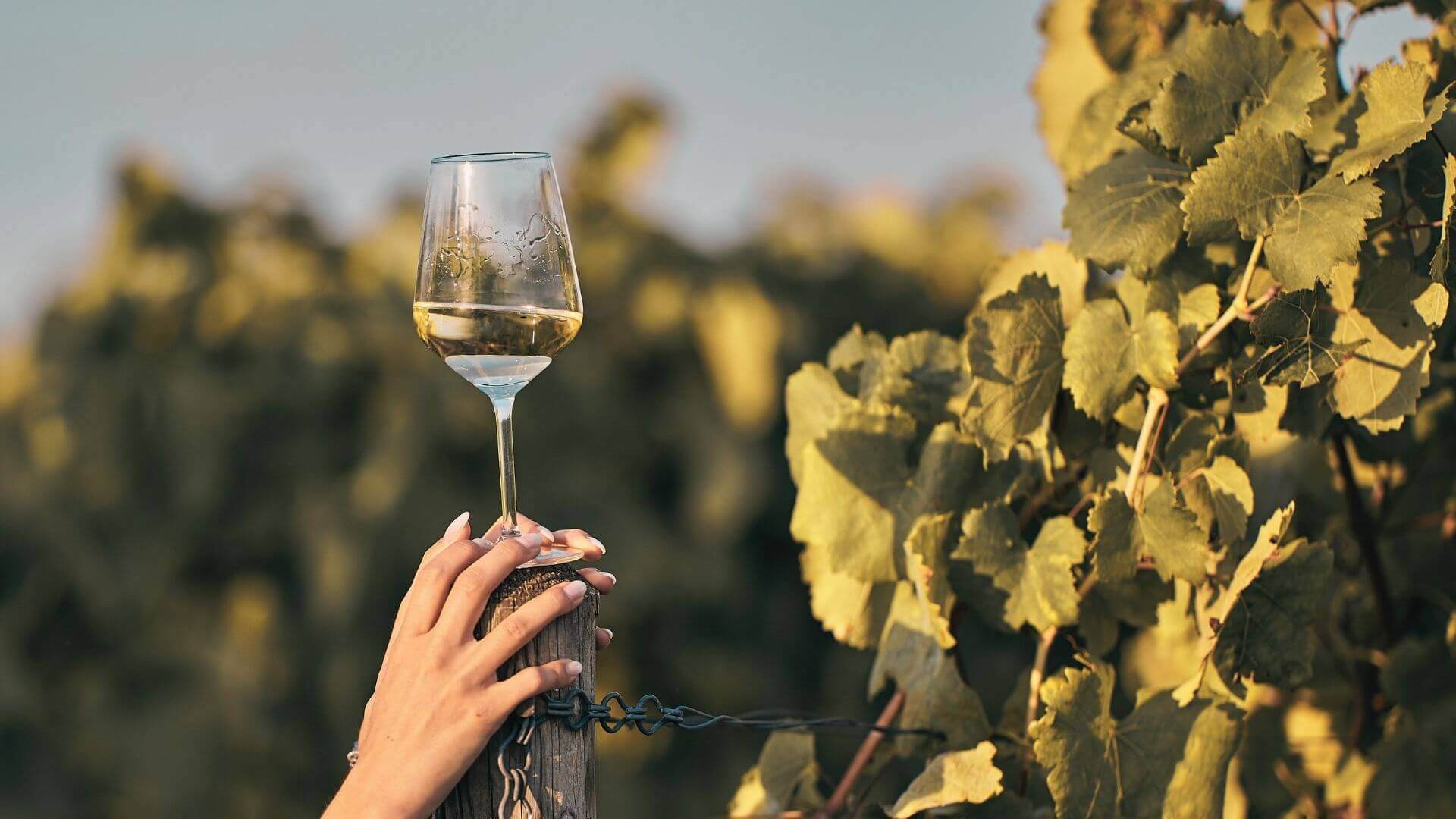
Before venturing into the world of French wine, it’s important to familiarize yourself with the main grape varieties. A grape variety is a type of grape used to make wine. For example, Cabernet Sauvignon is popular in Bordeaux, while Chardonnay is a globally renowned grape variety. But the secret behind the unique taste of each French wine lies in its terroir. The terroir refers to the natural environment where the grapes are grown, influencing the wine’s flavor. This explains why two wines made from the same grape variety can taste completely different depending on the region they come from.
Choosing a Wine Region to Start your journey
France is divided into several wine regions, each with its own unique terroir. If you’re a beginner, it’s a good idea to start with a more accessible region like the Loire or Languedoc, which produce light and fruity wines that are great for beginners. These regions have diverse terroirs, creating wines with distinctive flavors. Later on, you can explore regions like Bordeaux or Burgundy, where the diversity of wines and terroirs is truly impressive.
How to Choose a French Wine That Suits Your Taste?
The world of wine can seem vast and sometimes overwhelming, but with a few simple tips, you can quickly find wines that match your preferences. Terroir, grape varieties, and production methods all influence the final taste of a wine. Here are some key points to consider when choosing a French wine that you will enjoy.
Determine Your Preferred Type of Wine
In France, you’ll primarily find three types of wines: red wines, white wines, and rosé wines. Red wines, such as those from Bordeaux, are often richer and more tannic, perfect for pairing with meat dishes. White wines, often made from grapes like Chardonnay or Sauvignon Blanc, are lighter and pair well with seafood or delicate dishes. Finally, rosé wines, typical of regions like Provence, are fresh and fruity, perfect for summer.
Here is a small list of the characteristics of different types of wines and their associated grape varieties to help you choose according to your taste:
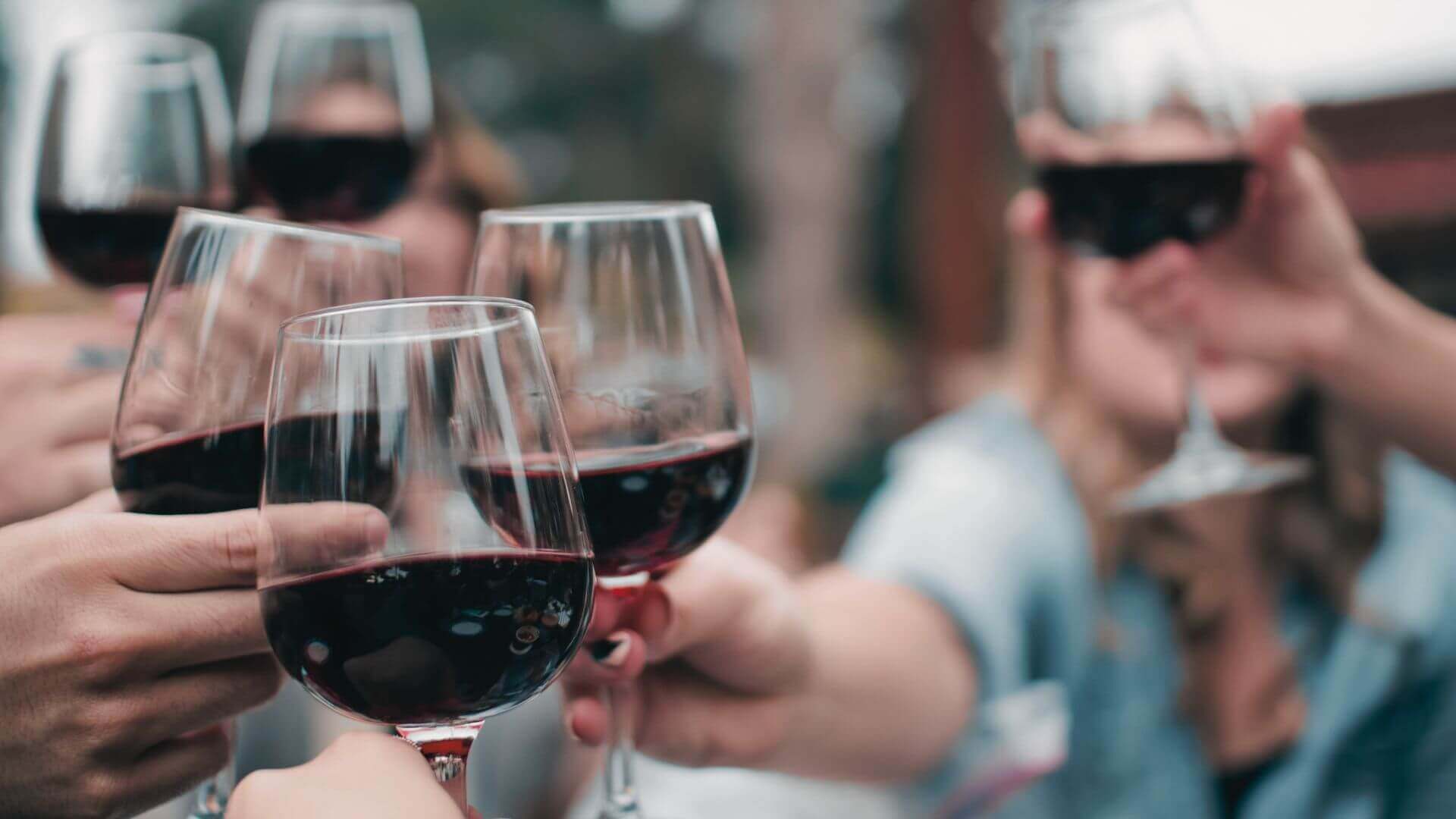
- Red wines:
- Main grape varieties: Cabernet Sauvignon, Merlot, Pinot Noir
- Characteristics: Rich, tannic, can be fruity or spicy. Cabernet Sauvignon is powerful and structured, while Merlot is softer and smoother.
- Pairing: Perfect with red meats, aged cheeses, and spicy dishes.
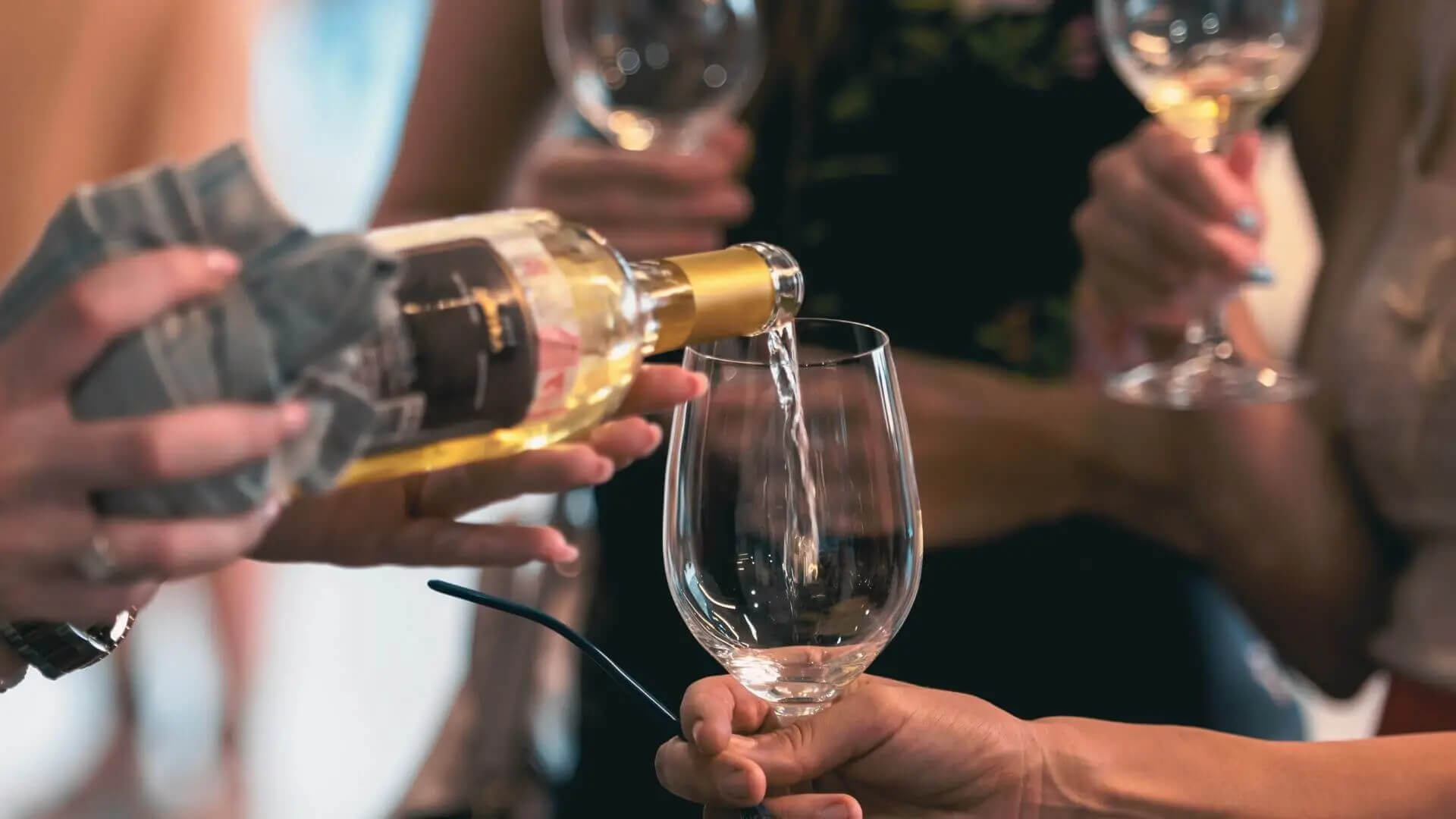
- White wines:
- Main grape varieties: Chardonnay, Sauvignon Blanc, Riesling
- Characteristics: Light, fresh, and sometimes mineral. Chardonnay can be buttery and complex, while Sauvignon Blanc is lively and herbaceous.
- Pairing: Ideal with seafood, delicate dishes, or fresh salads.
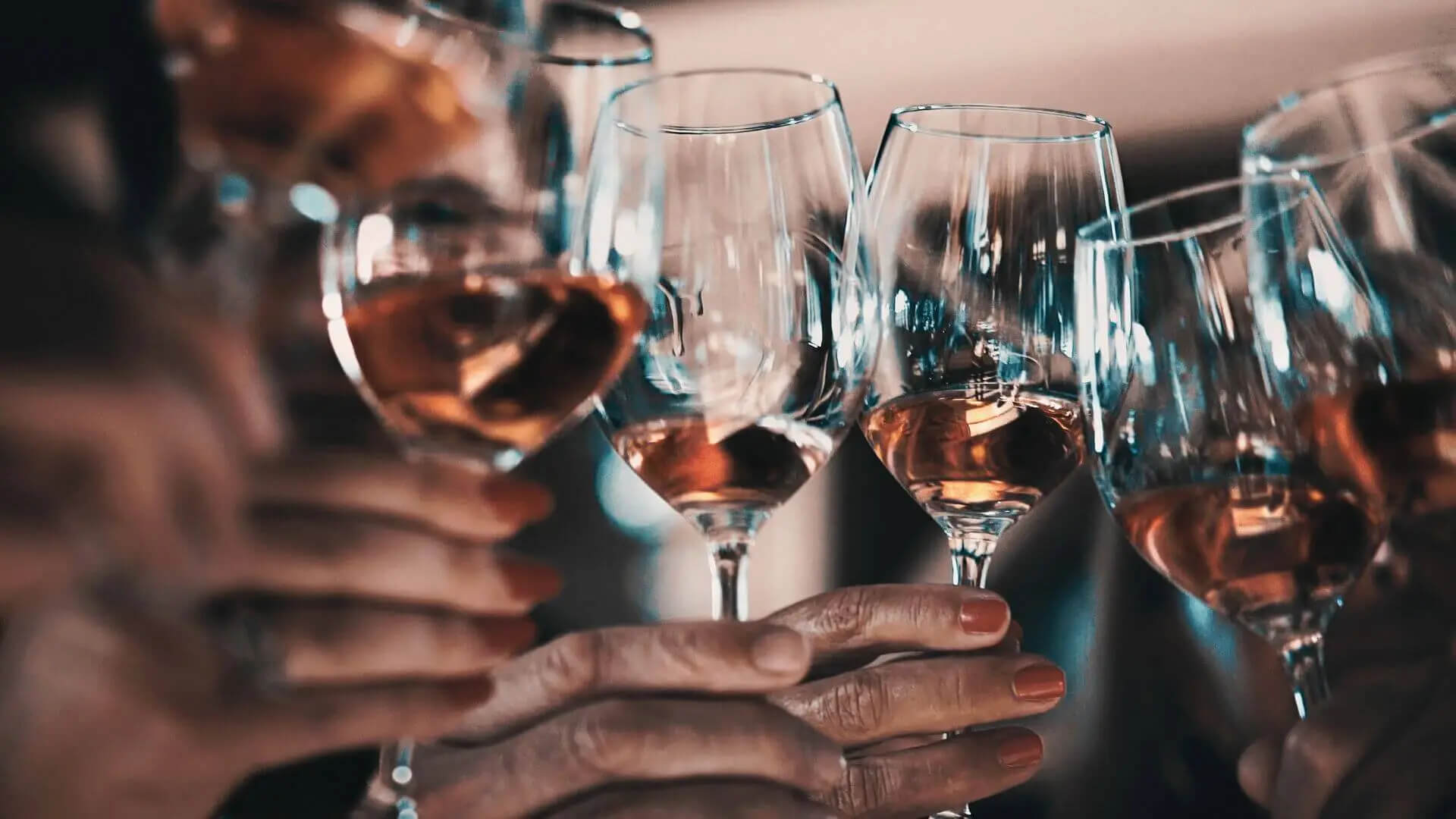
- Rosé wines:
- Main grape varieties: Grenache, Syrah, Cinsault
- Characteristics: Fresh, fruity, and light. Rosé wines often have floral notes and red fruit aromas.
- Pairing: Perfect for summer meals, salads, Mediterranean dishes, and barbecues.
Explore Different Terroirs and Their Influence
- The terroir plays a crucial role in shaping the taste of the wine. For example, wines from the Rhône Valley have a spicy and warm flavor due to its hot, dry terroir, while those from Chablis offer a fresh, mineral taste because of its limestone terroir. As you explore the different French terroirs, you will discover wines with unique and varied flavors, each one reflecting its natural environment.Here’s an overview of the characteristics of wines from each major French wine region:
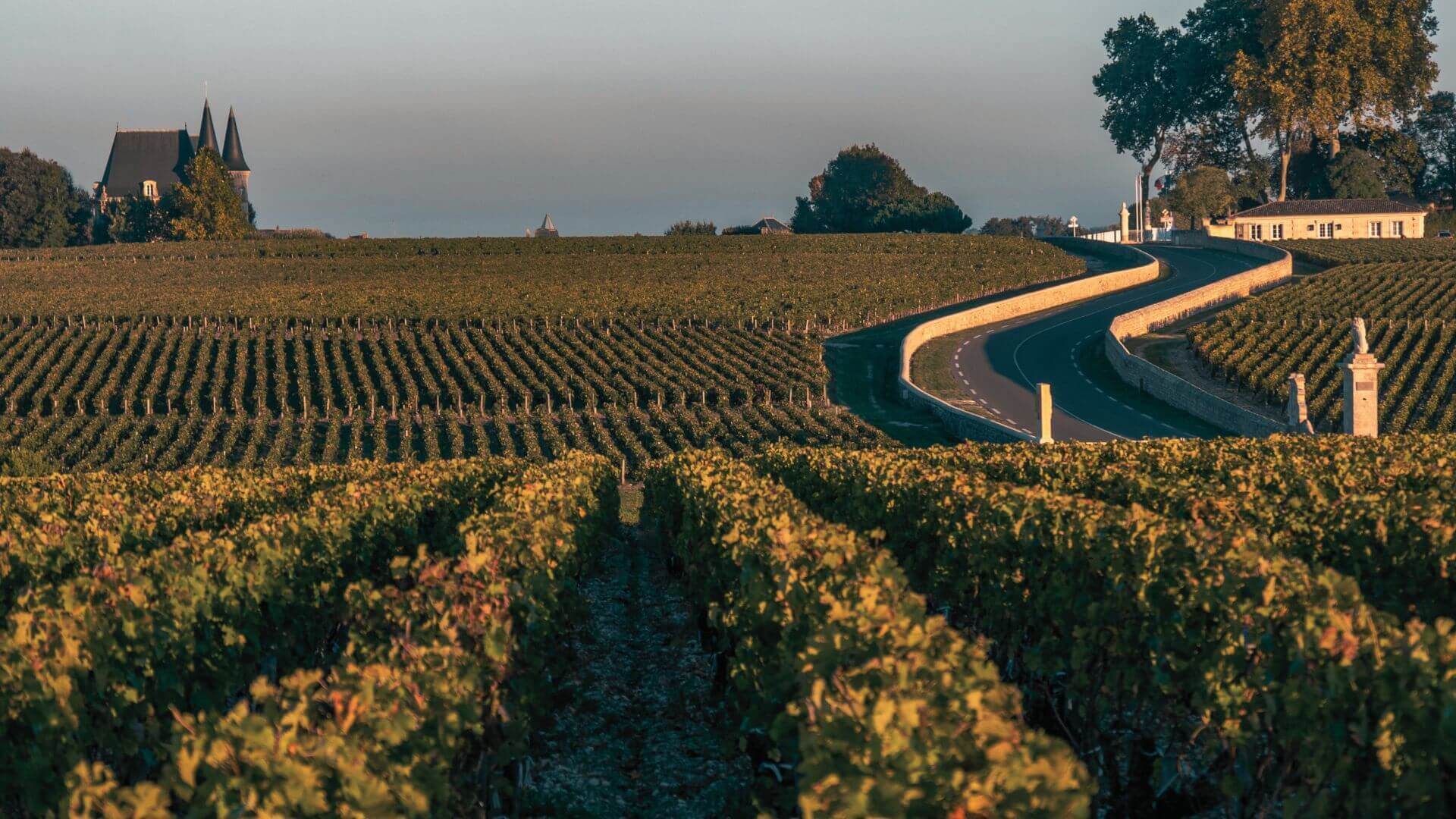
- Bordeaux:
- Characteristics: Powerful, often tannic, complex red wines with aromas of black fruit and oak.
- Main grape varieties: Cabernet Sauvignon, Merlot, Cabernet Franc
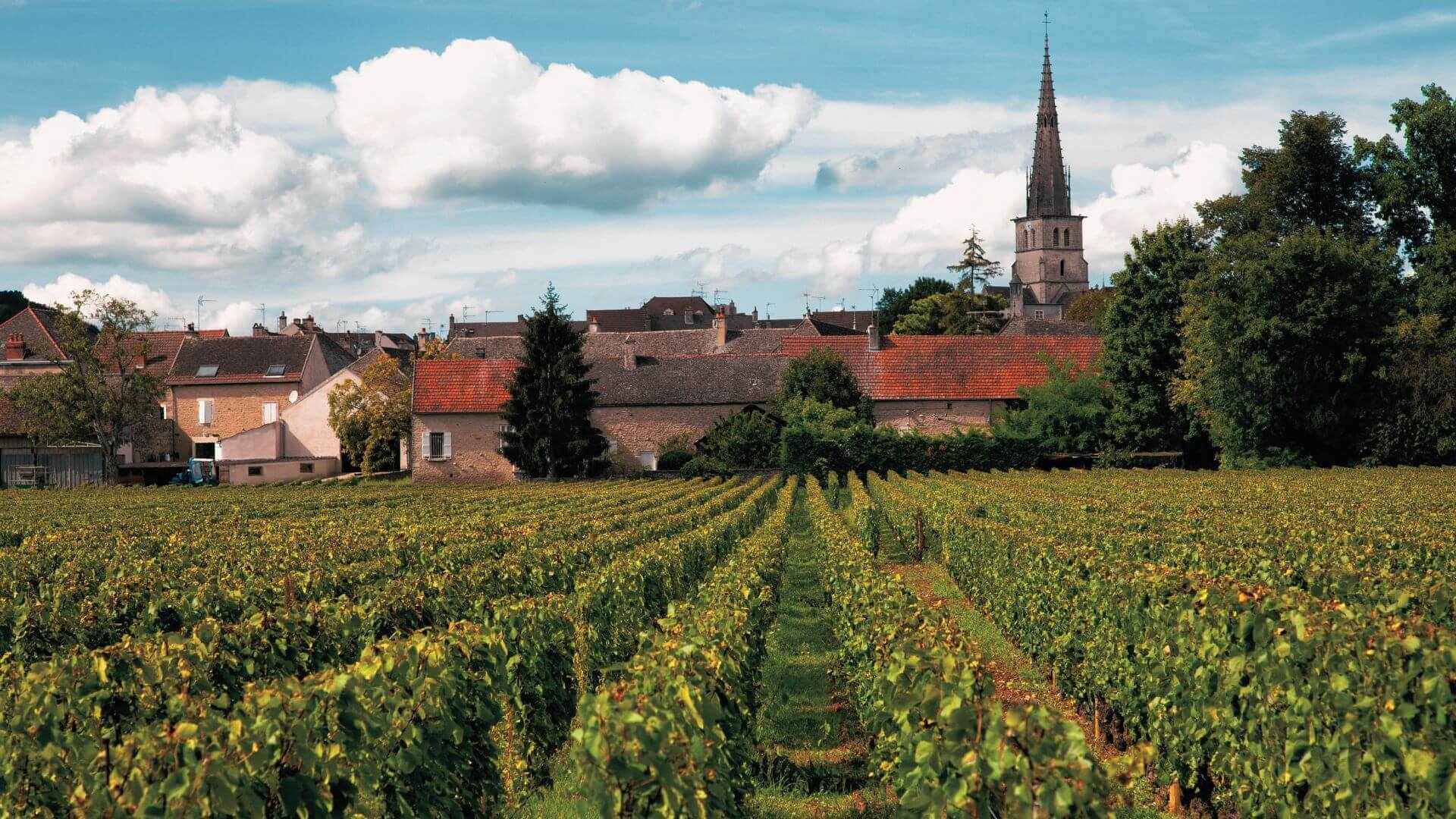
- Burgundy:
- Characteristics: Elegant, fruity red wines with cherry notes, and fresh, mineral white wines.
- Main grape varieties: Pinot Noir (red), Chardonnay (white)
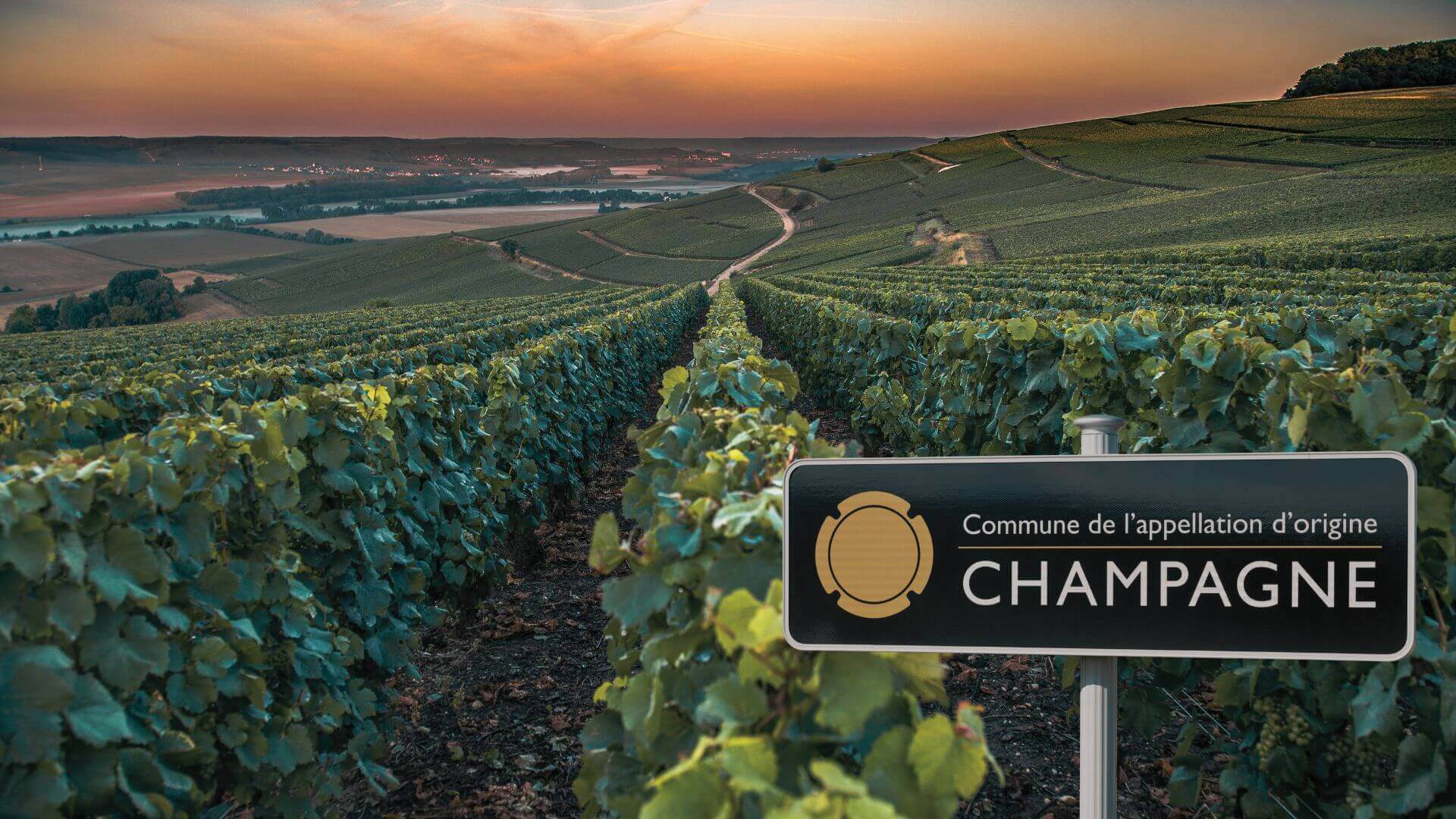
- Champagne:
- Characteristics: Sparkling wines that are fresh and light, often with notes of toasted bread and white fruit.
- Main grape varieties: Chardonnay, Pinot Noir, Pinot Meunier
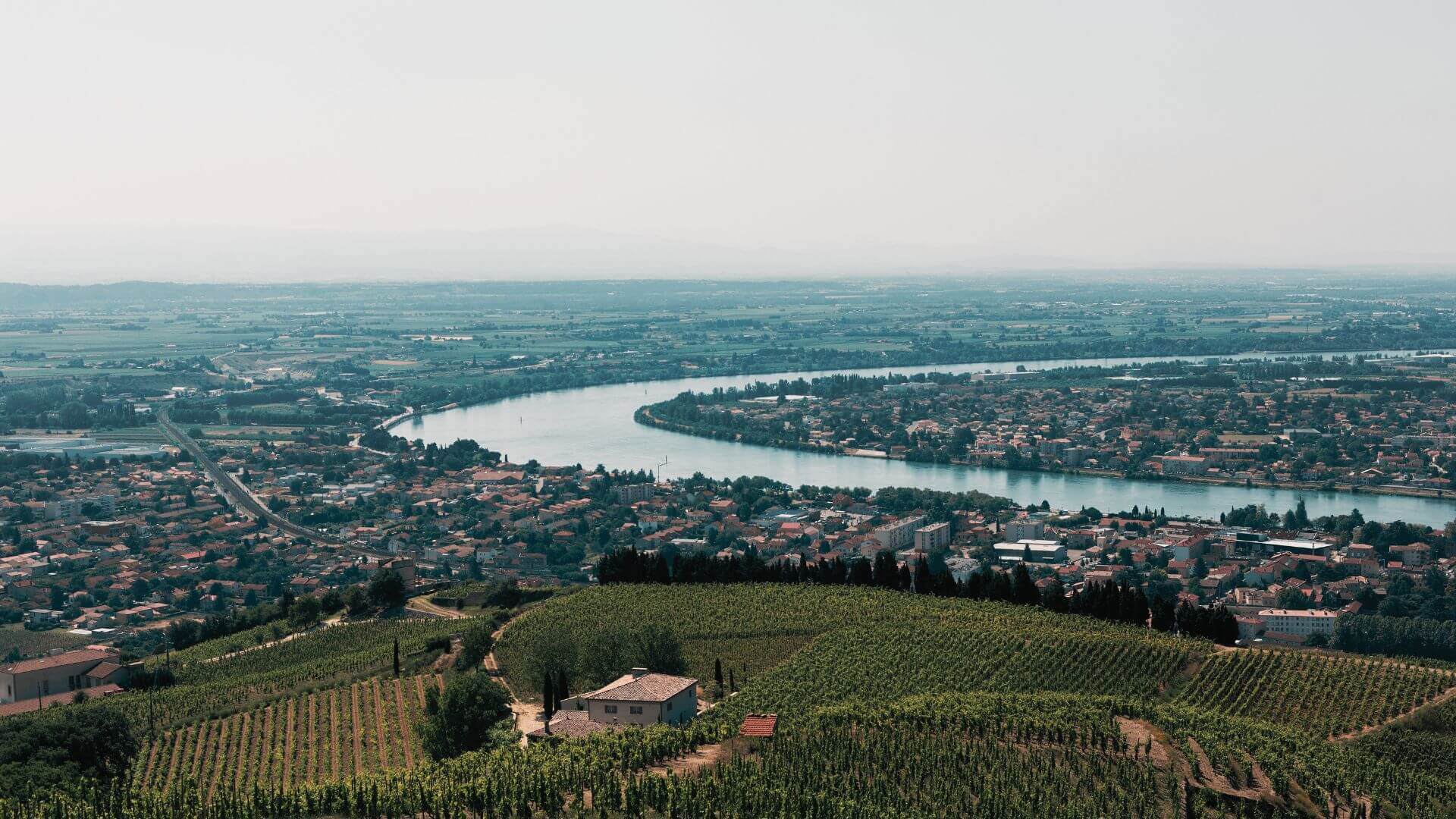
- Rhône Valley:
- Characteristics: Spicy, fruity red wines with notes of licorice, pepper, and sometimes dark fruits.
- Main grape varieties: Syrah, Grenache, Mourvèdre
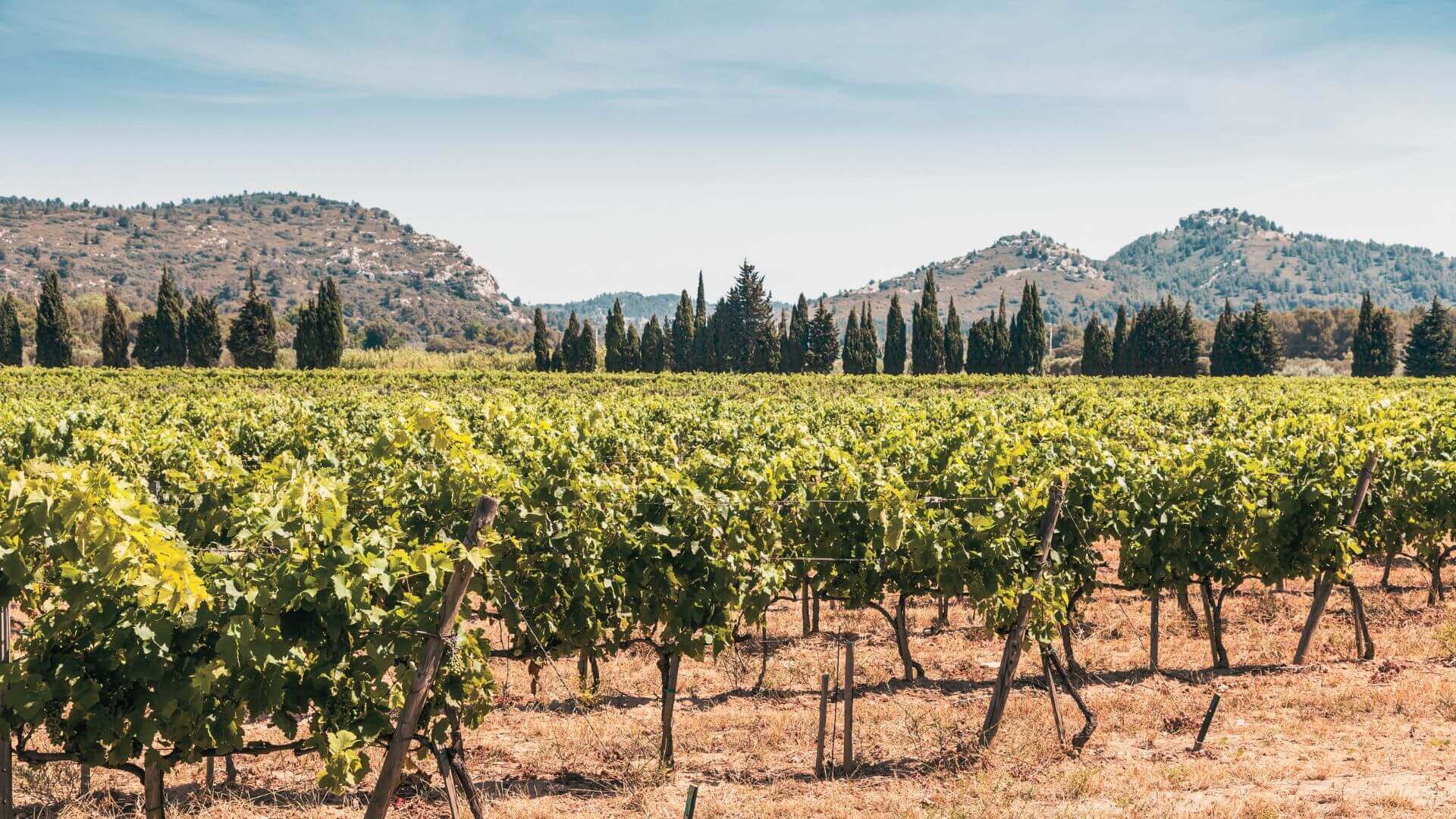
- Provence:
- Characteristics: Fresh, light, and fruity rosé wines with red fruit and citrus aromas.
- Main grape varieties: Grenache, Syrah, Cinsault
- Pairing advice: Salads, grilled fish, and Mediterranean vegetables.
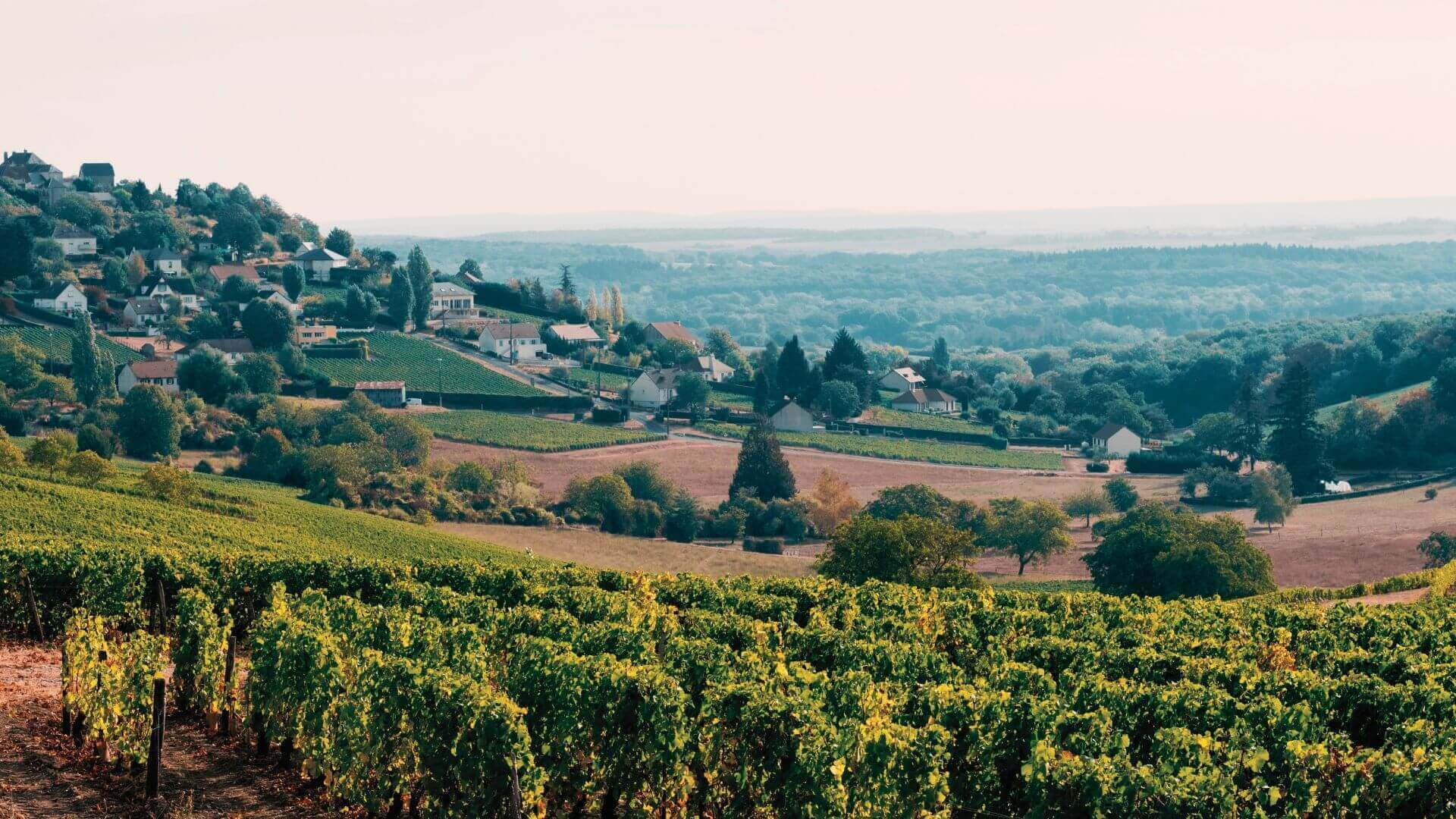
- Loire Valley:
- Characteristics: Fresh, mineral white wines, often with stone fruit notes.
- Main grape varieties: Sauvignon Blanc, Chenin Blanc, Melon de Bourgogne
How to Deepen Your Knowledge of French Wines?
Description: Learning about French wines doesn’t happen overnight. It’s a journey of discovery and experience, and there are several ways to deepen your knowledge to better appreciate each bottle.
Participate in a Wine Tasting
One of the best ways to explore French wines and understand the connection between terroir, grape varieties, and flavor is to participate in a wine tasting. This will allow you to taste different wines and learn to identify the subtle notes that characterize them. Many wineries and vineyards offer guided tastings where you can learn more about terroir and winemaking methods.
Take Wine Education Courses
If you want to go further, there are courses available to learn the basics of oenology, the science of wine. These classes teach you how to analyze wines, pair them with food, and understand the importance of terroir and grape varieties in the winemaking process.
Coming Soon: Discover Each Wine Region of France!
You are now ready to start your adventure in the world of French wines. However, each wine region in France has so many secrets to offer, and we invite you to explore each region in detail.
Dive deeply into the history, grape varieties, and unique characteristics of each major wine region: Bordeaux, Burgundy, Champagne, Loire, Rhône, and many more.
Learn more about the unique terroirs and exceptional wines that make each region a treasure to discover!
French wine vocabulary:
- Cépage (A1) : Variety of grape used to make wine.
- Terroir (B2) : The natural environment where the grapes are grown, influencing the wine’s taste.
- Vignoble (A2) : Vineyard, where grapes are grown.
- Dégustation (A2) : Tasting, especially of wine.
- Vin rouge (A1) : Red wine.
- Vin blanc (A1) : White wine.
- Vin rosé (A1) : Rosé wine.
- Œnologie (B2) : The science of wine and winemaking.
| Français | Anglais | Niveau |
| Vigneron | Winemaker | B1 |
| Vinification | Winemaking | B2 |
| Millésime | Vintage | B2 |
| Cave | Wine cellar | A2 |
| Appellation | Appellation (regionally controlled wine label) | B2 |