What is La Toussaint in France?
On November 1st, France celebrates La Toussaint (All Saints’ Day), a Christian holiday that is also a public holiday. As October comes to an end, flower shops fill with chrysanthemums, families prepare to visit the graves of their loved ones, and schoolchildren enjoy their autumn break, known as les vacances de la Toussaint.
But contrary to what you might think, La Toussaint is not exactly the French “Day of the Dead.” Behind this celebration are religious, family and cultural traditions that hold a special place in French society.
What does “La Toussaint” mean in French?
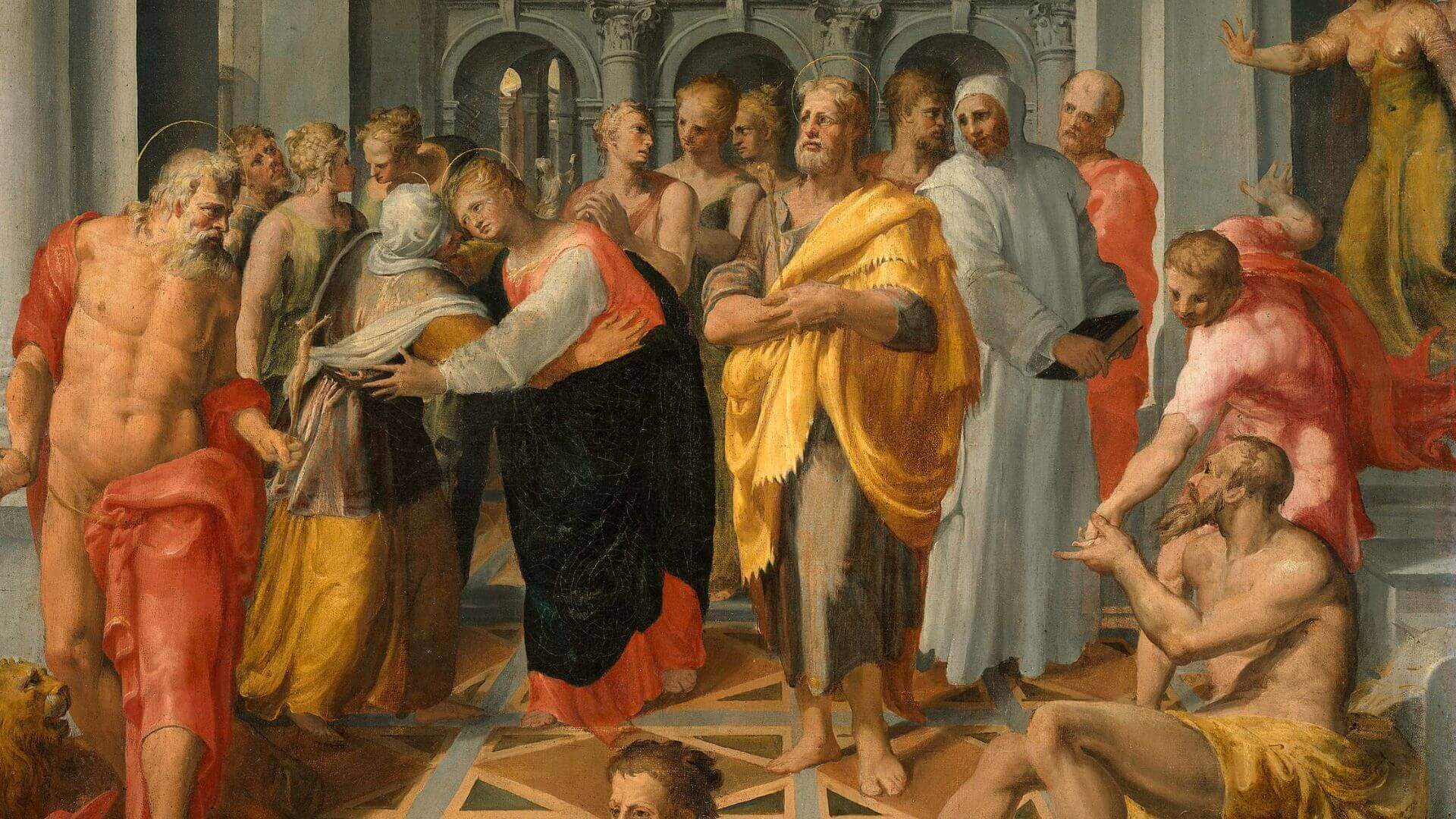
The word Toussaint comes from tous les saints, meaning “all the saints”. In the Catholic tradition, the November 1st feast honours all saints, known and unknown. Early collective celebrations focused mainly on martyrs, before the date and meaning of the feast evolved over the centuries.
In Western Christianity, November 1st became established during the Middle Ages. In France, it is now listed as a statutory public holiday in the Labour Code. Initially, “la Toussaint” was celebrated on different dates in different places. November 1 became the date observed throughout the Church in the 9th century. Some accounts link the date to the Celtic festival of Samhain, though this connection is debated.
Is La Toussaint the French Day of the Dead?
No. All Saints’ Day and the commemoration of the dead are separate observances, although French customs often bring them together.
- November 1st is All Saints’ Day, honouring all saints.
- November 2nd is All Souls’ Day, when the Catholic tradition commemorates the faithful departed and prays for the dead.
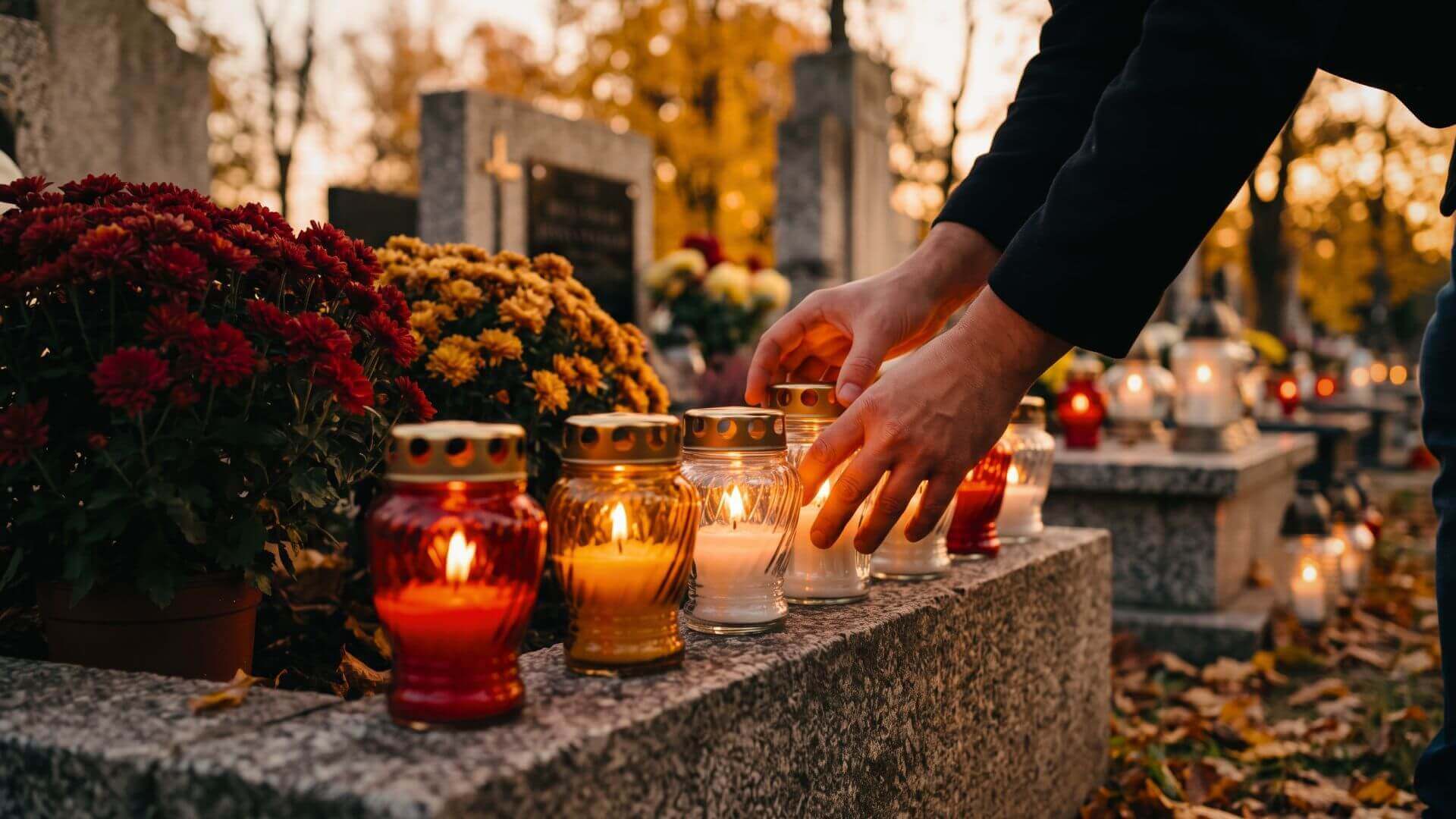
In everyday life, many families visit cemeteries on November 1st because it is a public holiday. They may clean a grave, leave flowers or spend a quiet moment remembering a loved one. Customs technically associated with November 2nd therefore often take place a day earlier.
For some French people, this period remains religious. For others, it is primarily about family remembrance, without any particular spiritual practice.
Why are chrysanthemums associated with La Toussaint?
In France, chrysanthemums have become the emblematic cemetery flower at this time of year. They bloom in autumn, cope relatively well with cold weather and provide vivid colour when fewer plants are in flower.
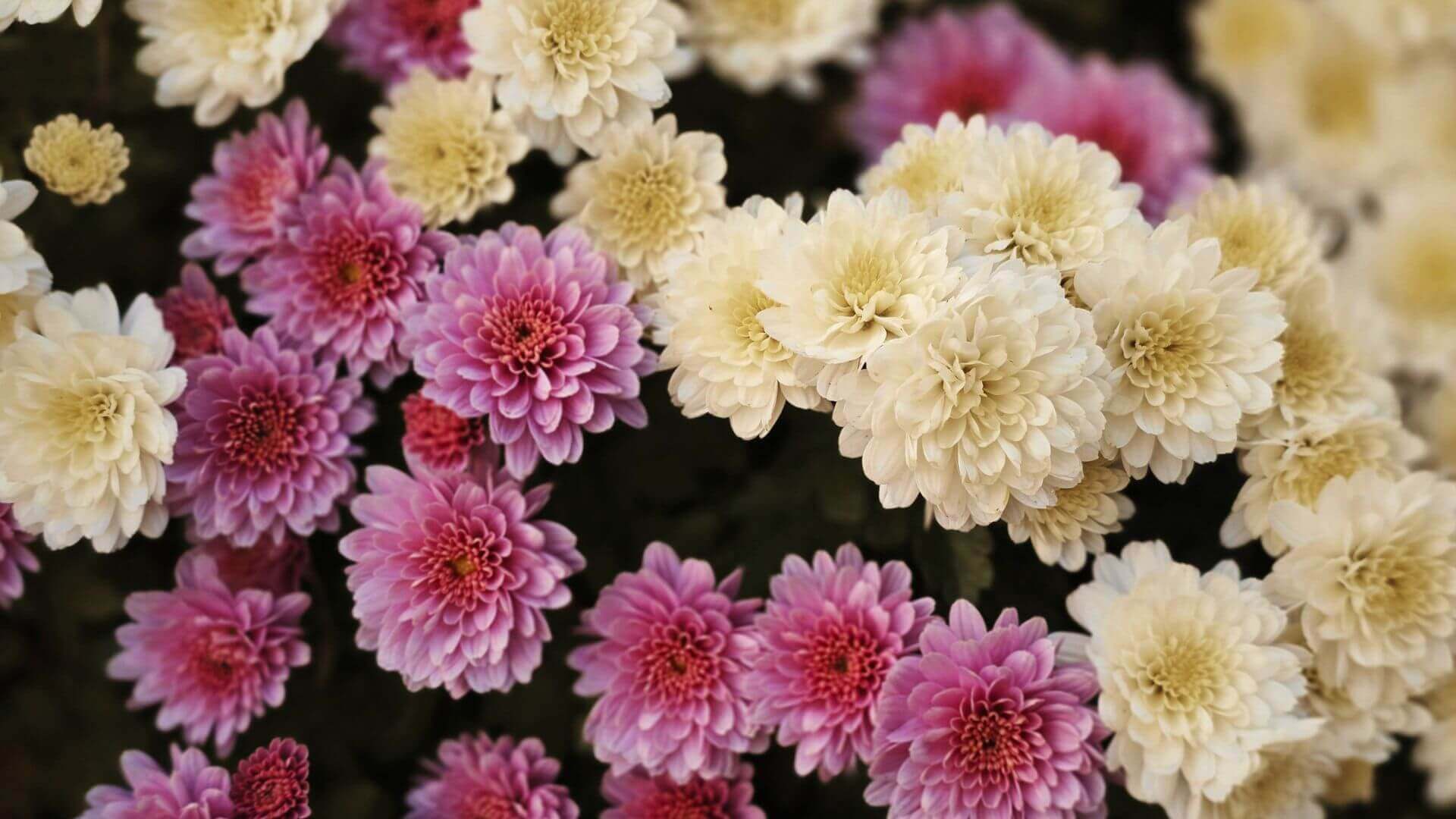
The association is so strong that a pot of chrysanthemums often suggests remembrance of the dead. This is useful cultural etiquette for visitors: however attractive the flowers may be, people in France generally avoid giving them to a host or as a birthday gift.
This meaning is not universal. Chrysanthemums carry different associations in other countries and cultures.
How do people in France observe La Toussaint today?
There is no single way to observe La Toussaint in France. Practising Catholics may attend Mass. Some families visit the graves of relatives. Others simply enjoy a public holiday without following a particular tradition.
November 1st is a statutory holiday, but that does not mean everything closes. Shops, public transport and services may follow different schedules depending on the sector and location. If you are travelling in France, check opening times in advance.
The phrase les vacances de la Toussaint is also part of everyday French. It refers to the autumn school break, usually spanning late October and early November, regardless of whether a family observes the religious feast.
What about Halloween? It falls on October 31st, the eve of All Saints’ Day, but the mood is different. In France, Halloween is mainly associated with costumes, pumpkins and sweets. La Toussaint is quieter and more closely connected with remembrance, family and, for some people, faith.
What does La Toussaint reveal about French culture?
La Toussaint shows how a religious tradition can continue to shape public life while carrying different meanings for different people. It appears in the calendar, everyday vocabulary, family customs and flower-shop displays.
For French learners, details like these bring the language to life. Experiencing them through local conversations and daily routines is part of genuine cultural immersion.
What French vocabulary is useful for La Toussaint?
- la Toussaint: All Saints’ Day
- un jour férié: a public holiday
- un cimetière: a cemetery
- une tombe: a grave
- un chrysanthème: a chrysanthemum
- un défunt / une défunte: a deceased person
- se recueillir: to spend a quiet moment in remembrance
- fleurir une tombe: to place flowers on a grave
- rendre hommage à quelqu’un: to pay tribute to someone
- les vacances de la Toussaint: the autumn school holidays
Would you like to keep discovering French through culture and everyday life?