


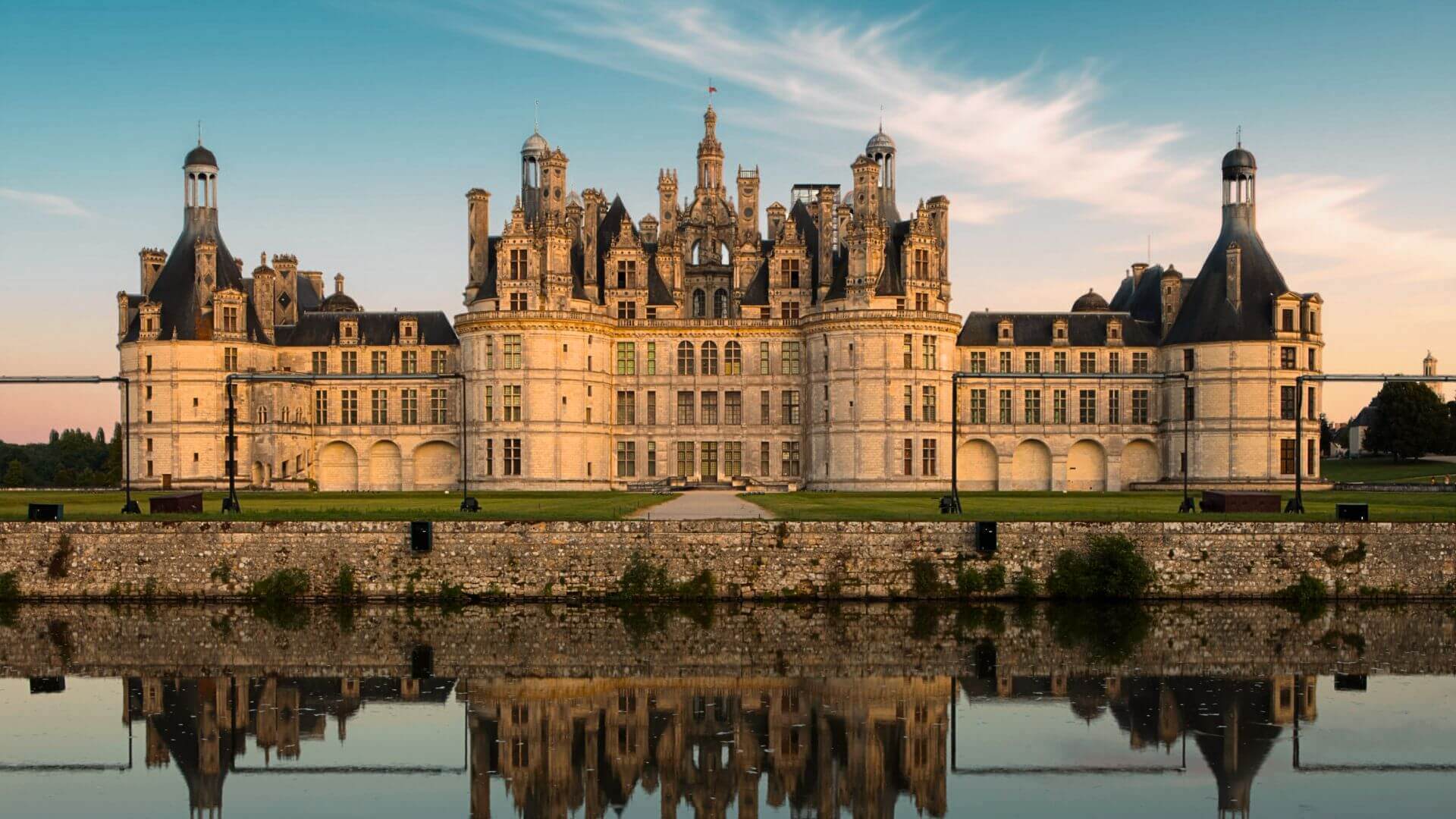
Which French Castles Should You Visit? A Guide to France’s Most Beautiful Châteaux
Did you know? : there are around 45,000 castles and châteaux in France.
To put that into perspective, that’s more than three times the number of McDonald’s restaurants in the entire United States.
The real challenge isn’t finding a château to visit.
It’s deciding which ones deserve a place on your itinerary.
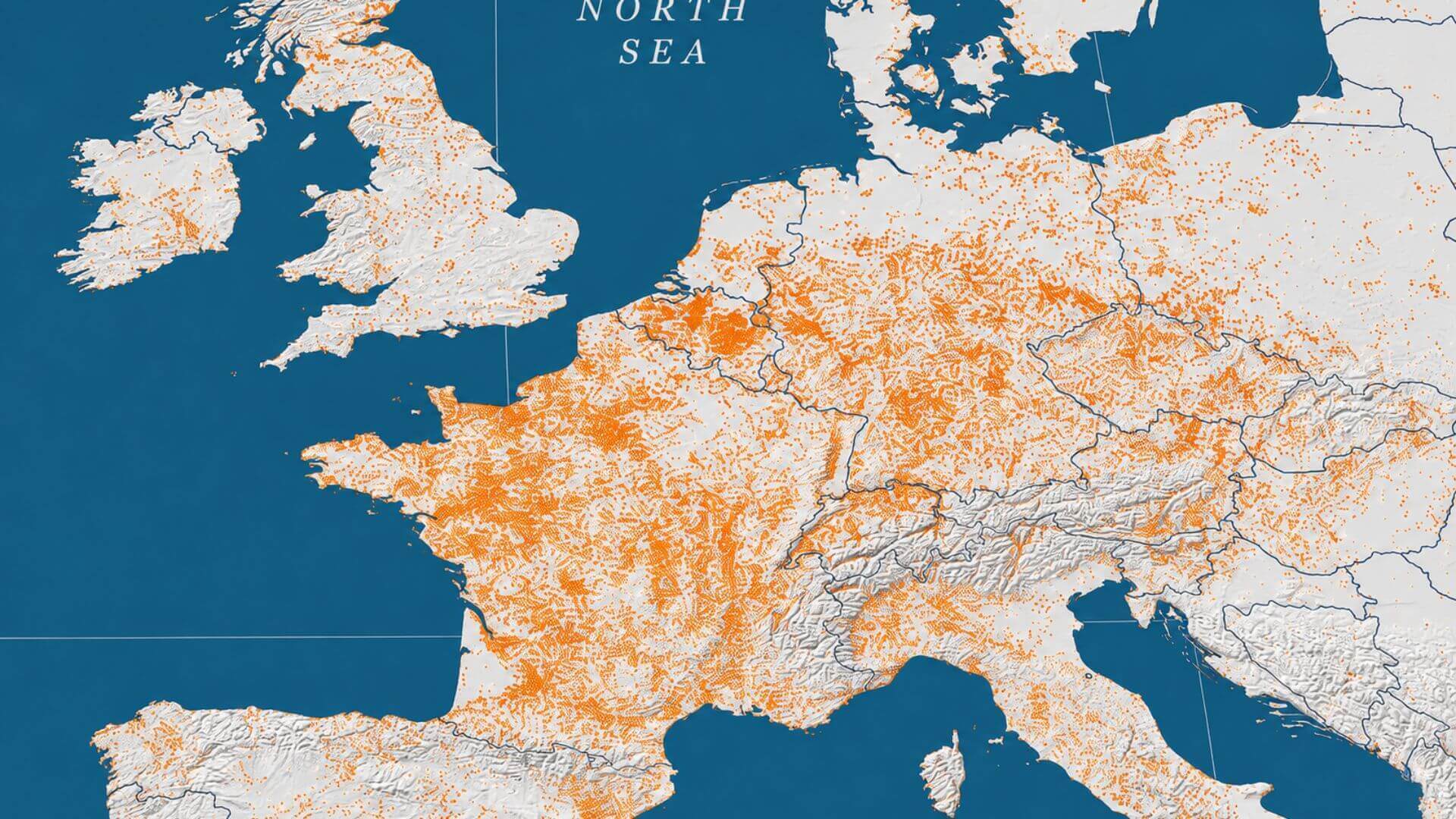
From royal palaces and fairy-tale masterpieces to mighty fortresses overlooking spectacular landscapes, this guide introduces some of the most beautiful French castles, the stories that make them unforgettable, and practical tips to help you plan your visit.
Let’s begin with the château that changed the image of France forever.
Why is the Palace of Versailles the world’s most famous château?
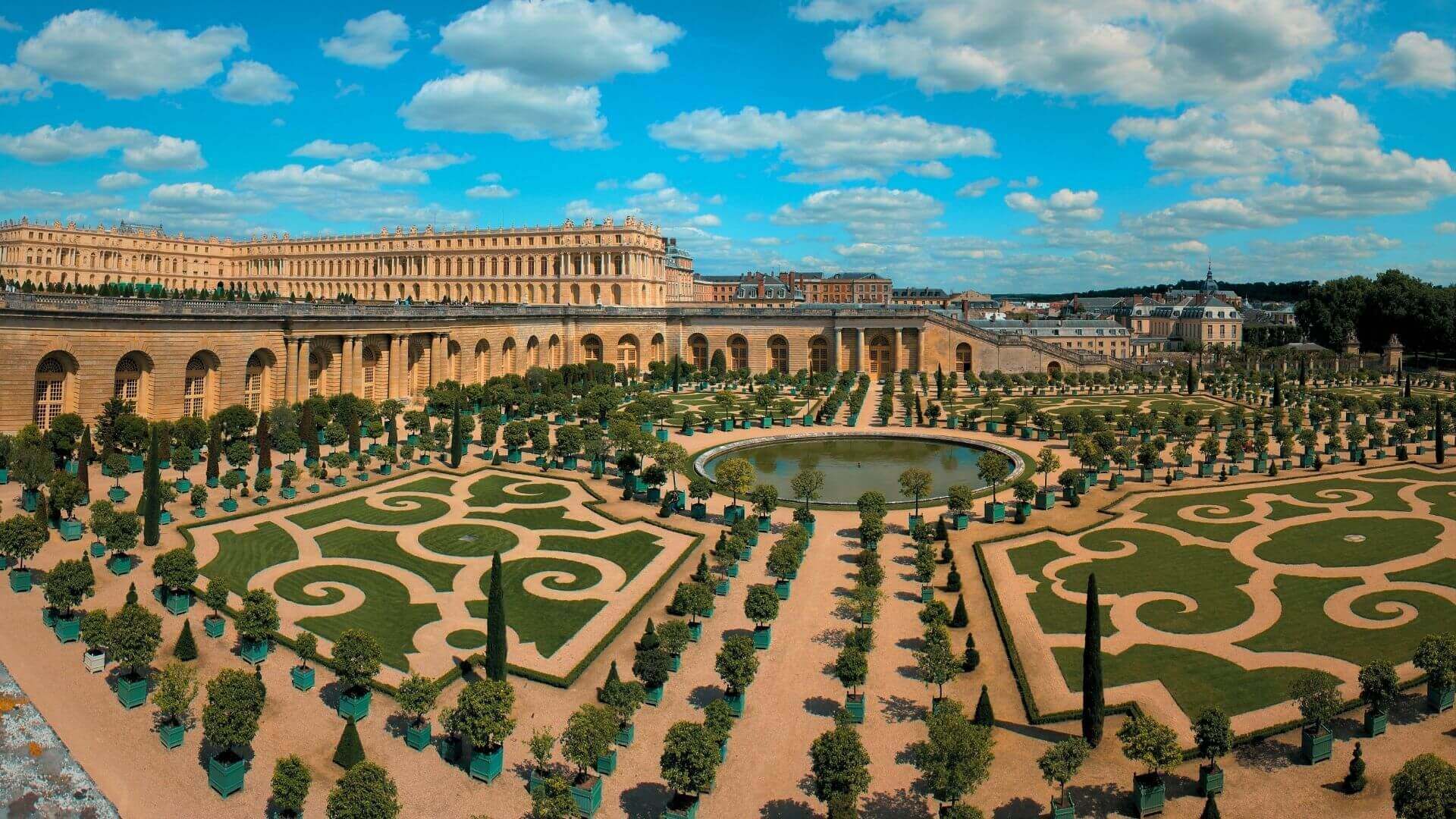
If there’s one château you’ve probably admired long before planning a trip to France, it’s Versailles.
Its golden gates and magnificent gardens have become symbols of French elegance, but the palace was never intended to be merely beautiful. When Louis XIV transformed a modest hunting lodge into Europe’s most extravagant royal residence, he wanted the world to understand one thing: France had become the dominant power of its time.
More than three centuries later, Versailles still has that effect.
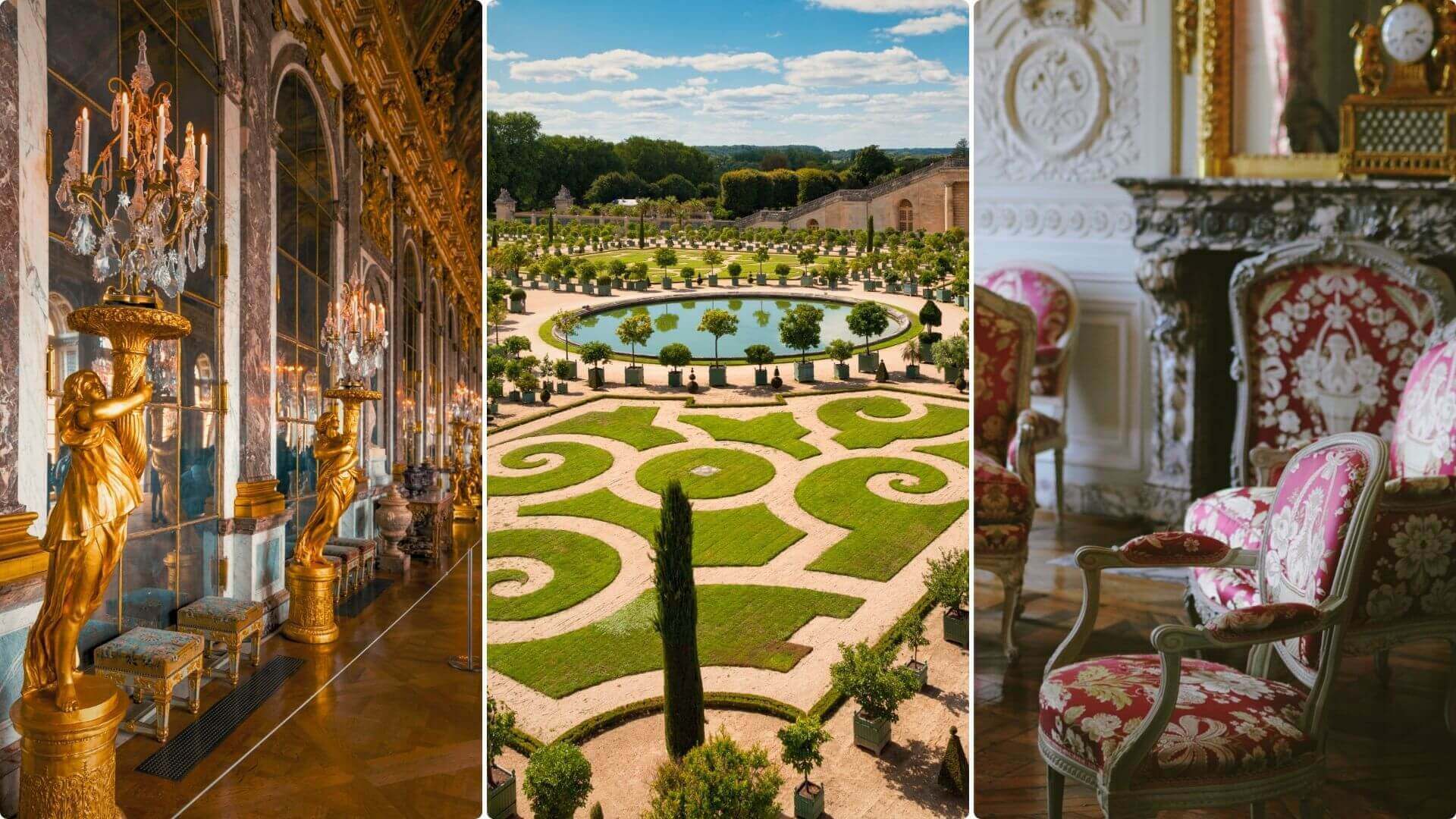
Of course, the breathtaking Hall of Mirrors is the highlight for many visitors, but don’t miss the peaceful gardens, the Grand and Petit Trianon, or Marie Antoinette’s charming hamlet. Together, they reveal another side of royal life, one that feels surprisingly personal despite the palace’s immense scale.
Plan to spend at least half a day here, and book your tickets well in advance if you’re visiting during spring or summer.
Leaving Versailles behind, France’s royal story takes an unexpected turn. Just an hour away stands a château that many French people quietly consider even more fascinating, not because it is grander, but because generation after generation of kings genuinely called it home.
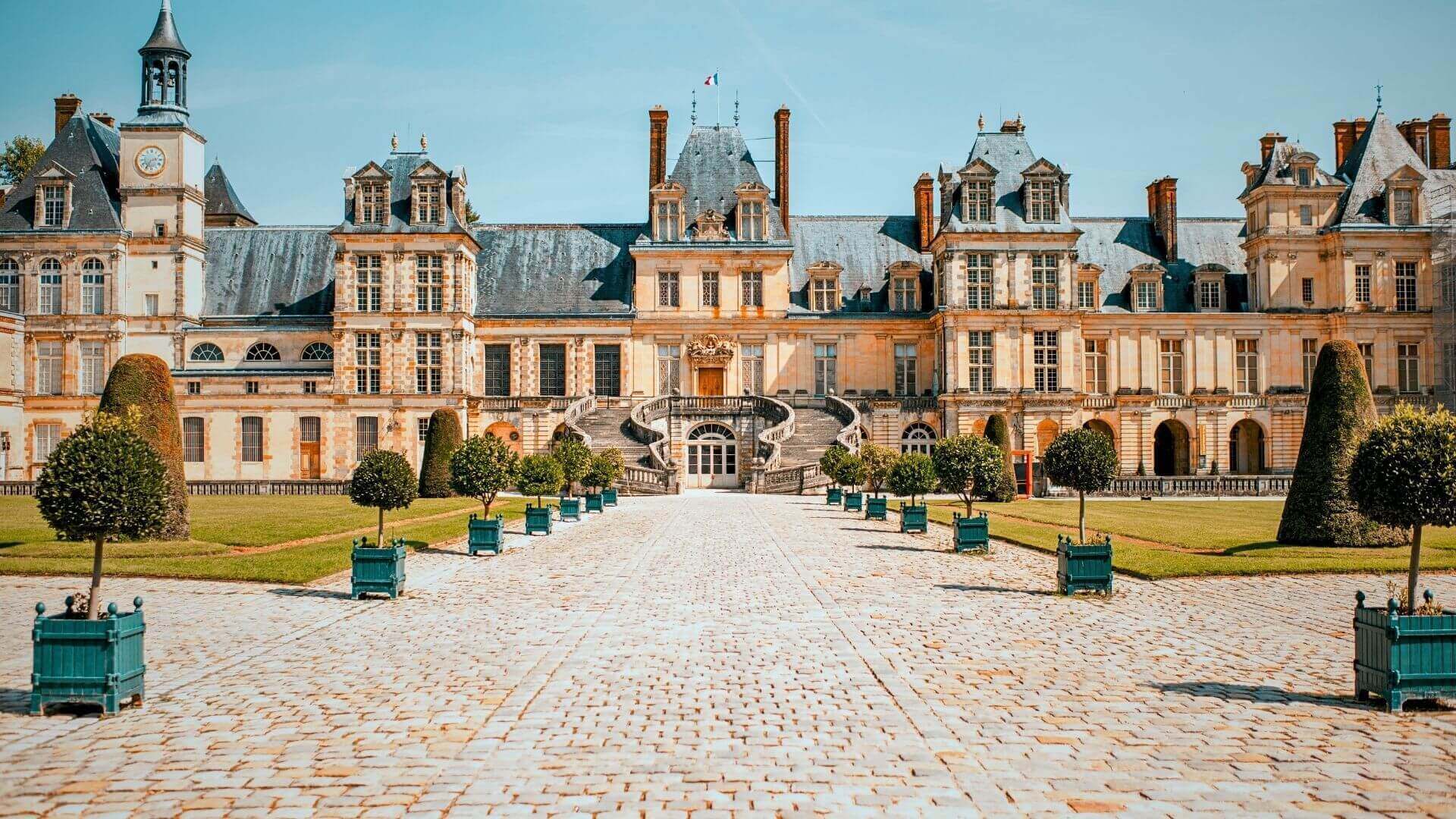
Why do French kings love Château de Fontainebleau?
Long before Versailles became the centre of royal life, Fontainebleau was where French monarchs came to hunt, relax and govern.
Unlike many castles that served one defining purpose, Fontainebleau evolved over eight centuries. Every king seemed to leave a personal mark, creating a remarkable blend of medieval architecture, Renaissance elegance and classical design. Walking through its halls feels less like visiting a palace frozen in time and more like following the footsteps of the rulers who shaped France.
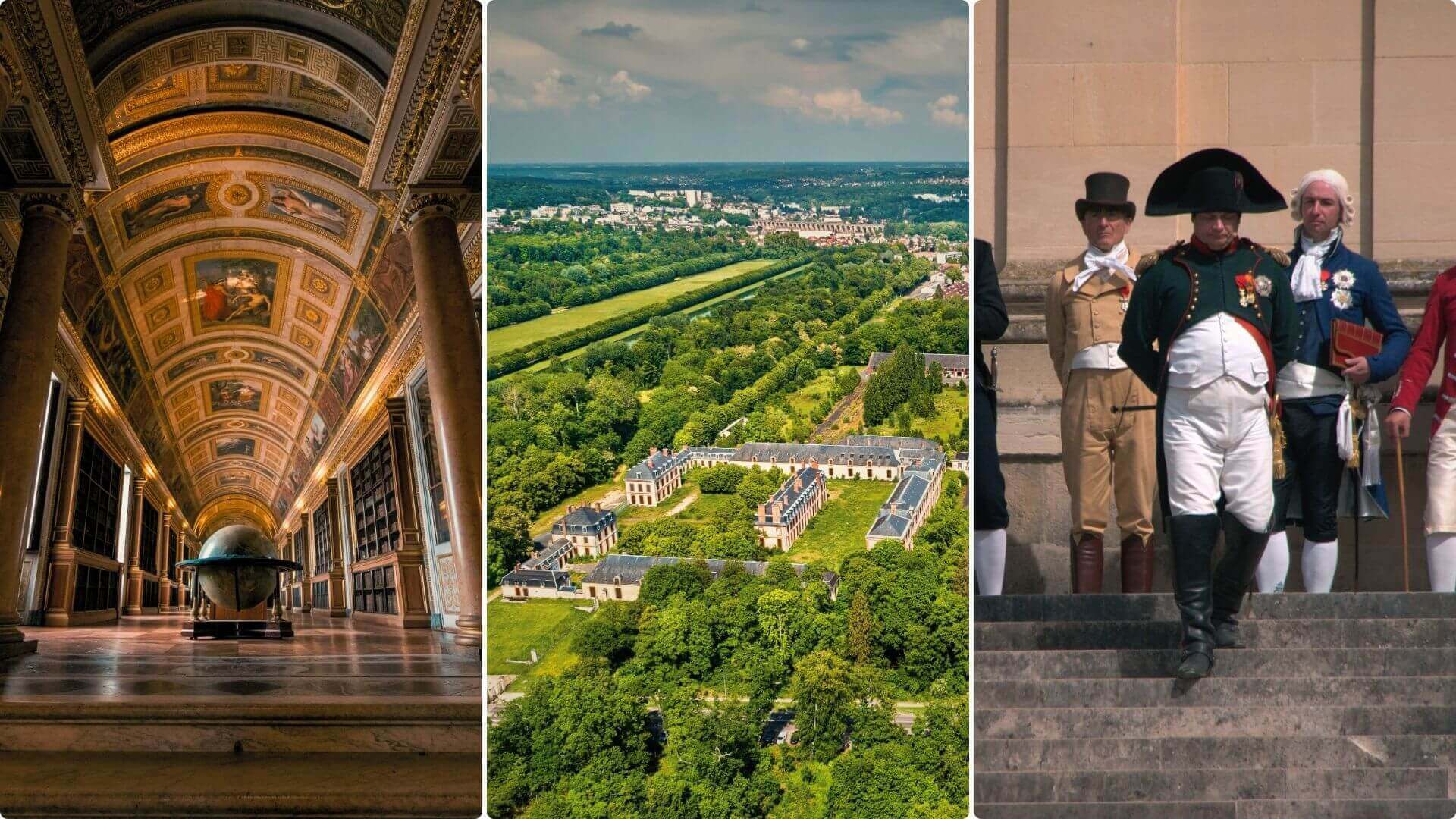
One of its most famous moments came in 1814, when Napoleon Bonaparte bid farewell to his Imperial Guard in the château’s courtyard before leaving for exile on Elba Island. Even today, it’s easy to picture the emotion of that historic scene.
The château is surrounded by the magnificent Forest of Fontainebleau, one of France’s largest and most famous woodlands. For centuries, it served as the royal hunting grounds, and today its walking trails, sandstone rock formations and peaceful atmosphere make it the perfect complement to a visit of the palace.
Let’s leave the Paris region and head towards the Loire Valley, where fairy-tale towers, Leonardo da Vinci, remarkable women and one of the most extraordinary rooftops in Europe await at Chambord, Chenonceau and Amboise.
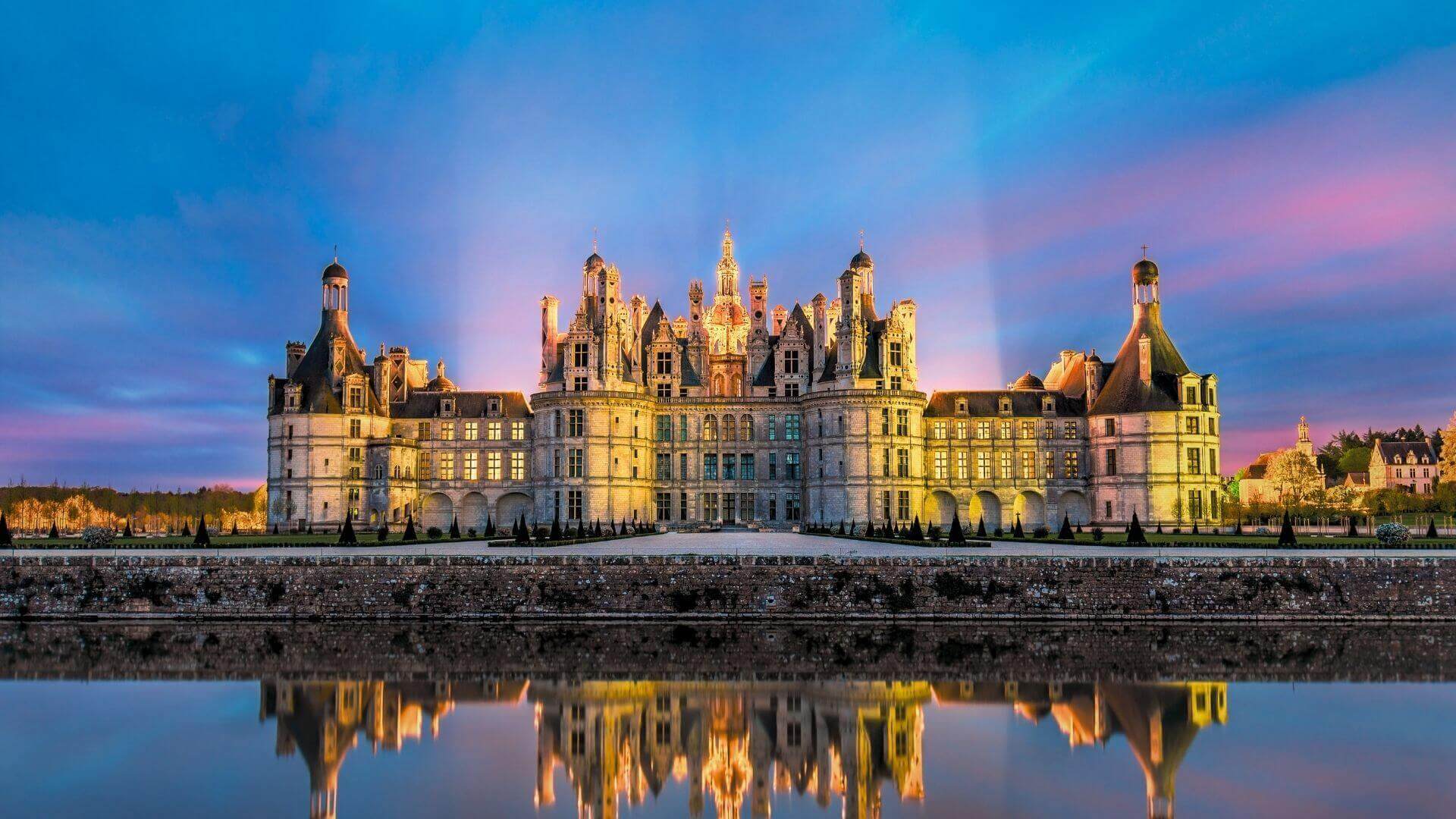
Why is Château de Chambord unlike any other castle in France?
At first glance, Château de Chambord looks like something straight out of a fairy tale. Then your eyes are drawn upward. Its extraordinary rooftop is a maze of towers, chimneys and terraces unlike anything else in France, earning it the nickname of a “city on the roof.”
Built as a hunting lodge for King Francis I in the 16th century, Chambord was designed to impress rather than to serve as a permanent royal home. Inspired by the Italian Renaissance, the château reflects the king’s passion for art and architecture. Some historians even believe Leonardo da Vinci influenced parts of its design, including the famous double-helix staircase, where two people can climb the same staircase without ever crossing paths.
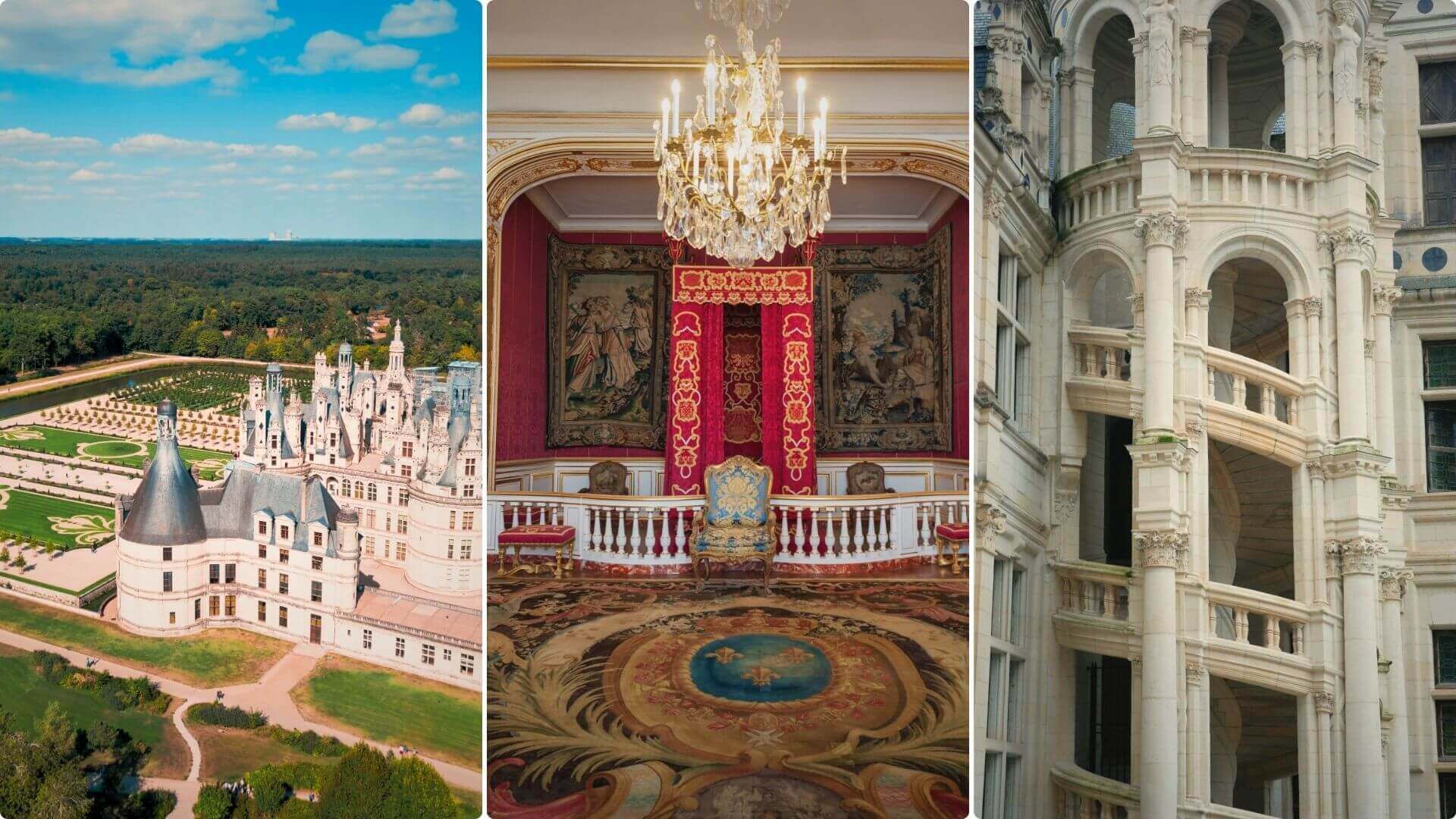
Allow at least half a day to explore the château and its vast estate, one of the largest enclosed parks in Europe. If you enjoy walking or cycling, the surrounding forest is just as rewarding as the château itself.
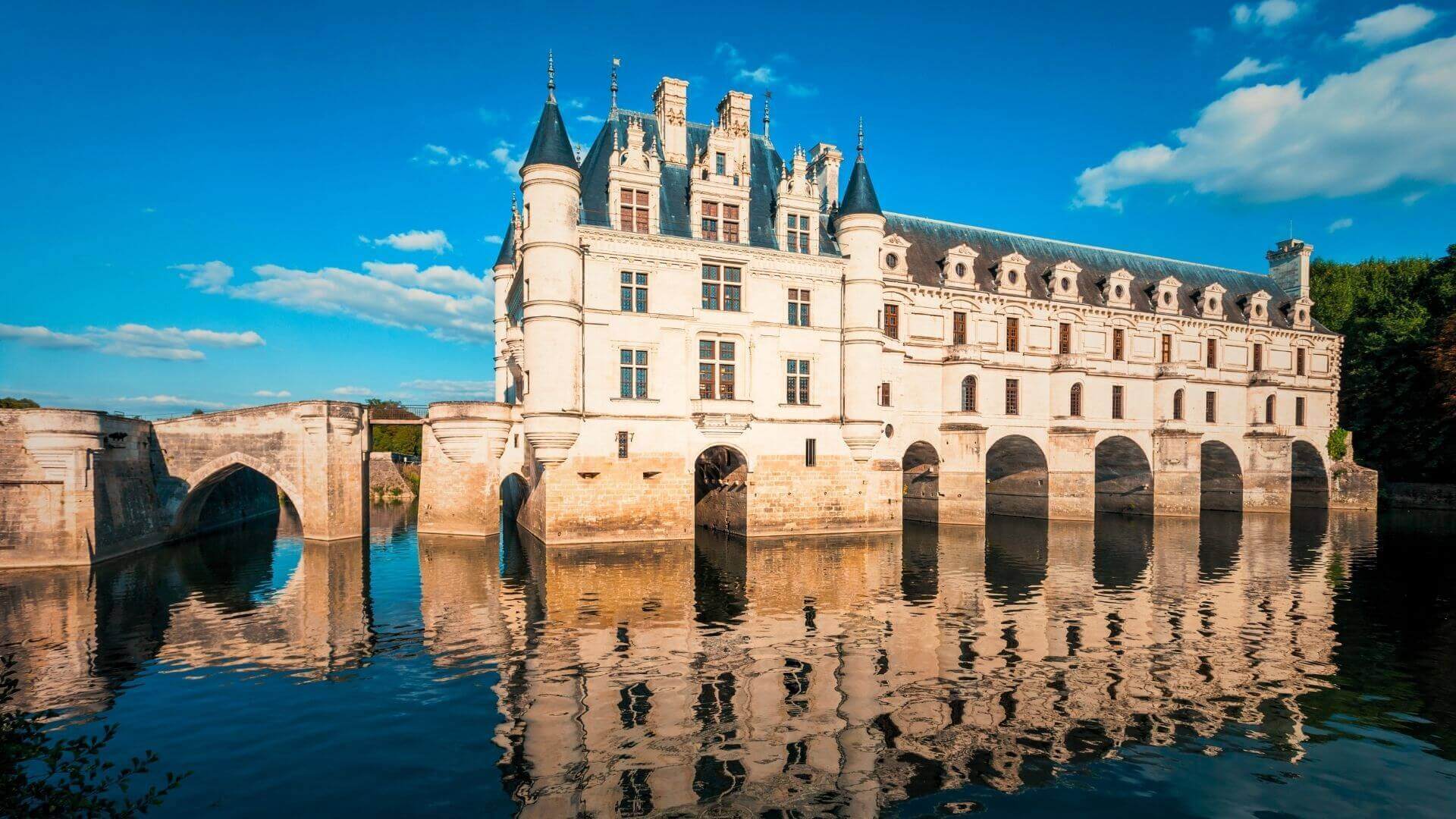
Why is Chenonceau known as the “Ladies’ Château”?
Few castles in France feel as elegant as Château de Chenonceau. Stretching gracefully across the River Cher, it almost seems to float on the water, creating one of the country’s most photographed views.
Unlike many royal residences shaped by kings, Chenonceau owes much of its beauty and history to remarkable women. Diane de Poitiers, the favourite of King Henry II, designed its magnificent gardens, while Catherine de Médicis later transformed the château after reclaiming it for the Crown. Their rivalry helped shape the estate visitors admire today, giving Chenonceau its enduring nickname: the Ladies’ Château.
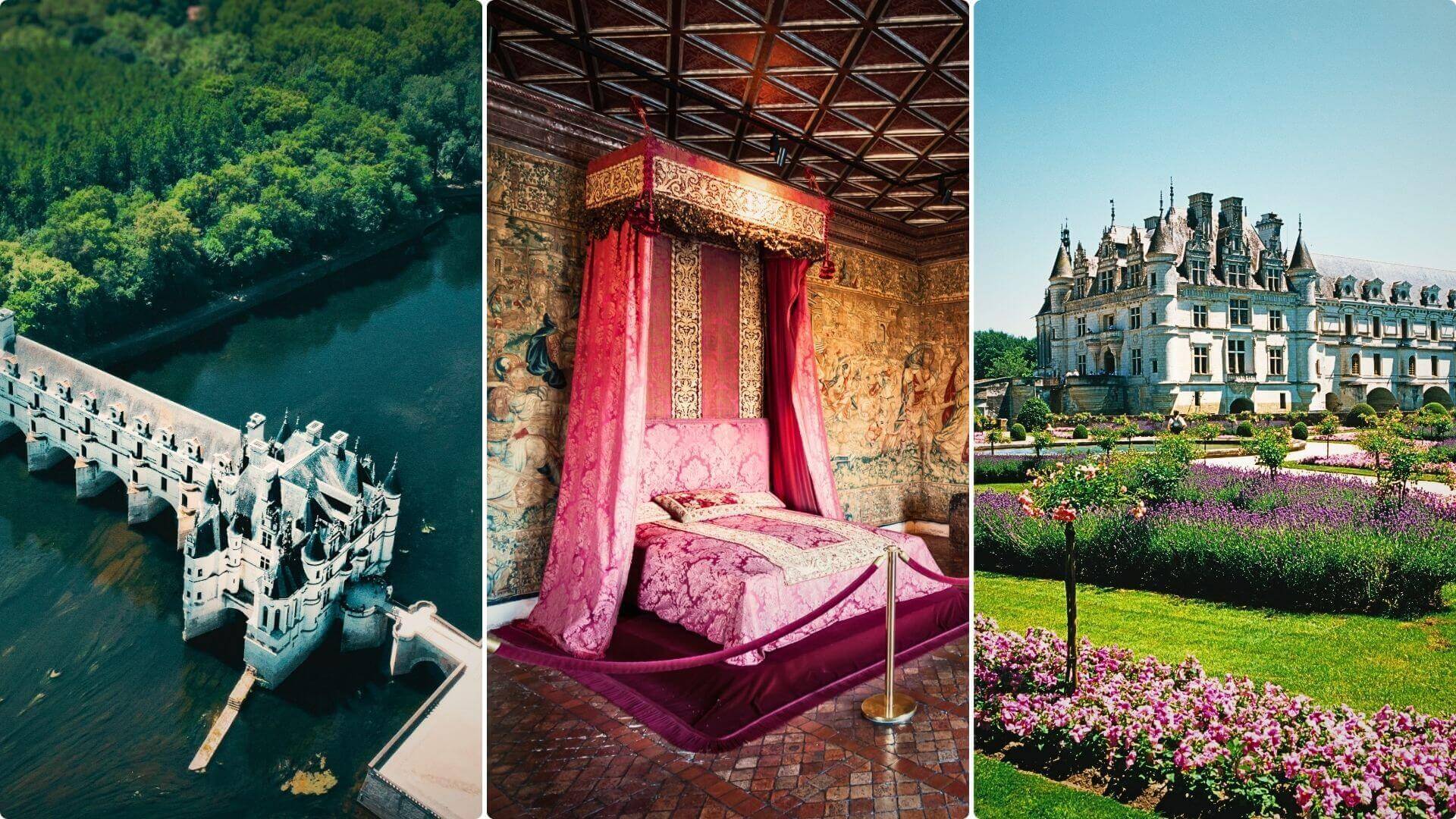
Inside, beautifully furnished rooms and fresh floral displays create a warm atmosphere that feels surprisingly welcoming for such a prestigious residence.
Plan two to three hours for your visit, and don’t miss the gardens on both sides of the river, they offer some of the château’s finest views.
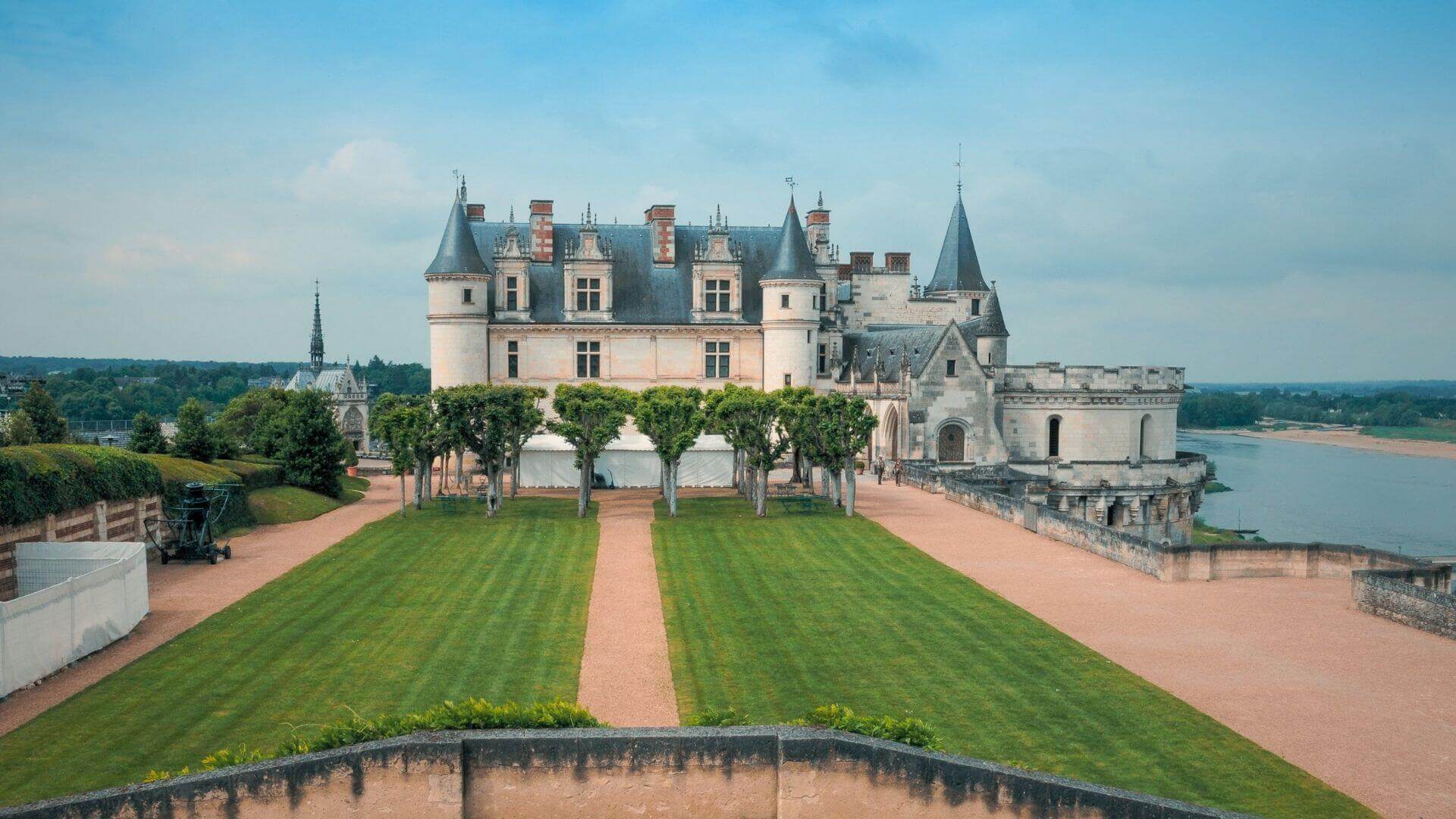
Why should you visit Château Royal d’Amboise?
Perched above the Loire River, Château Royal d’Amboise combines royal history with one of the finest panoramic views in the valley. From its terraces, you can admire the rooftops of the charming town below and the peaceful river that has shaped this region for centuries.
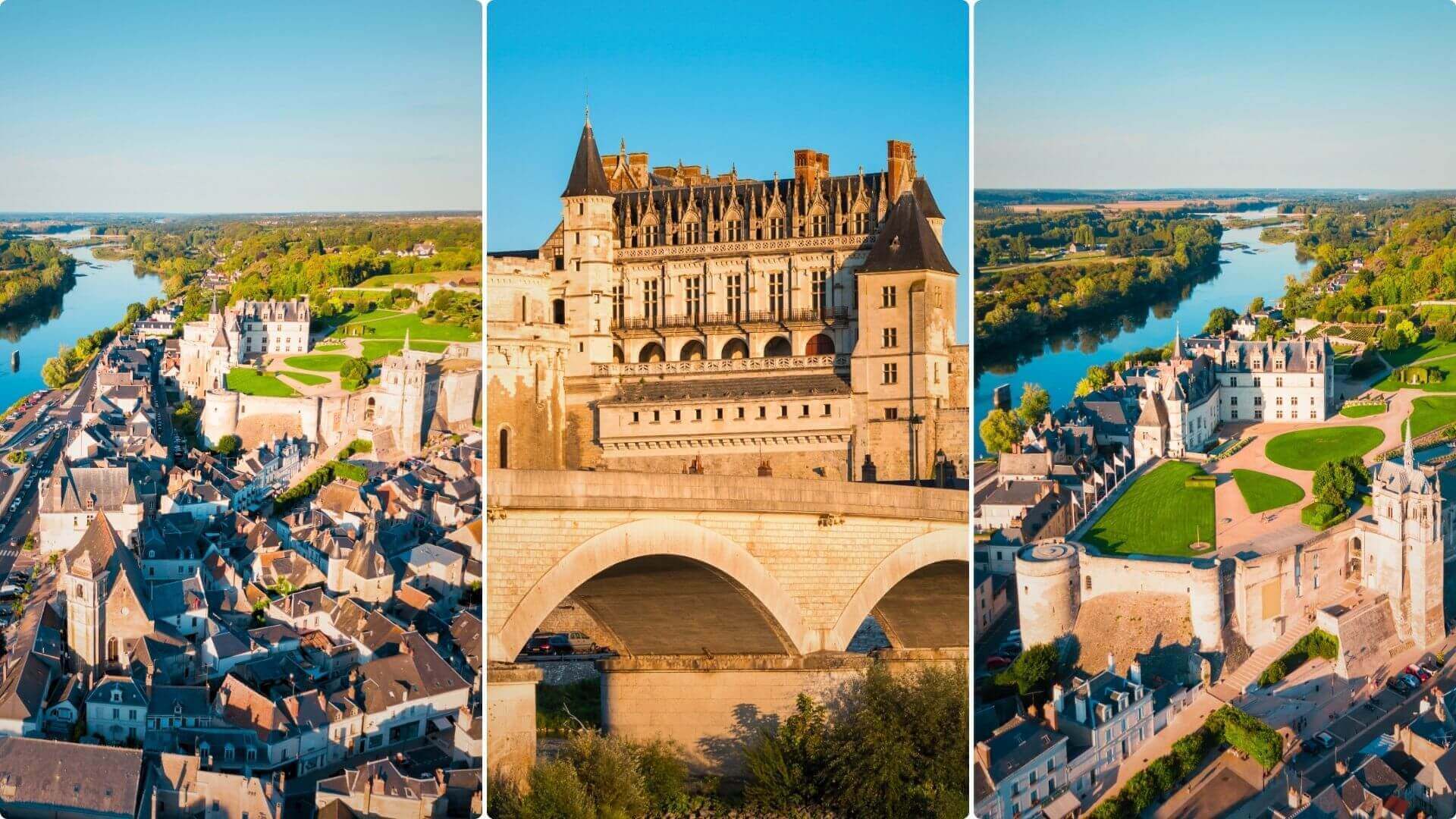
Amboise was once a favourite residence of French kings, but it is also closely linked to one of history’s greatest minds. Just a short walk away lies Clos Lucé, the final home of Leonardo da Vinci, who spent the last years of his life in France under the protection of King Francis I. He is buried in the château’s Saint-Hubert Chapel, making Amboise an essential stop for anyone interested in Renaissance history.
The château itself is easy to visit in two or three hours, leaving plenty of time to explore the lively streets, cafés and riverside paths of Amboise.
Leaving the Loire Valley behind, the elegant Renaissance châteaux gradually give way to medieval fortresses. As the landscape becomes greener and the valleys deeper, you’ll discover castles that were built not to entertain royal courts, but to defend entire regions.
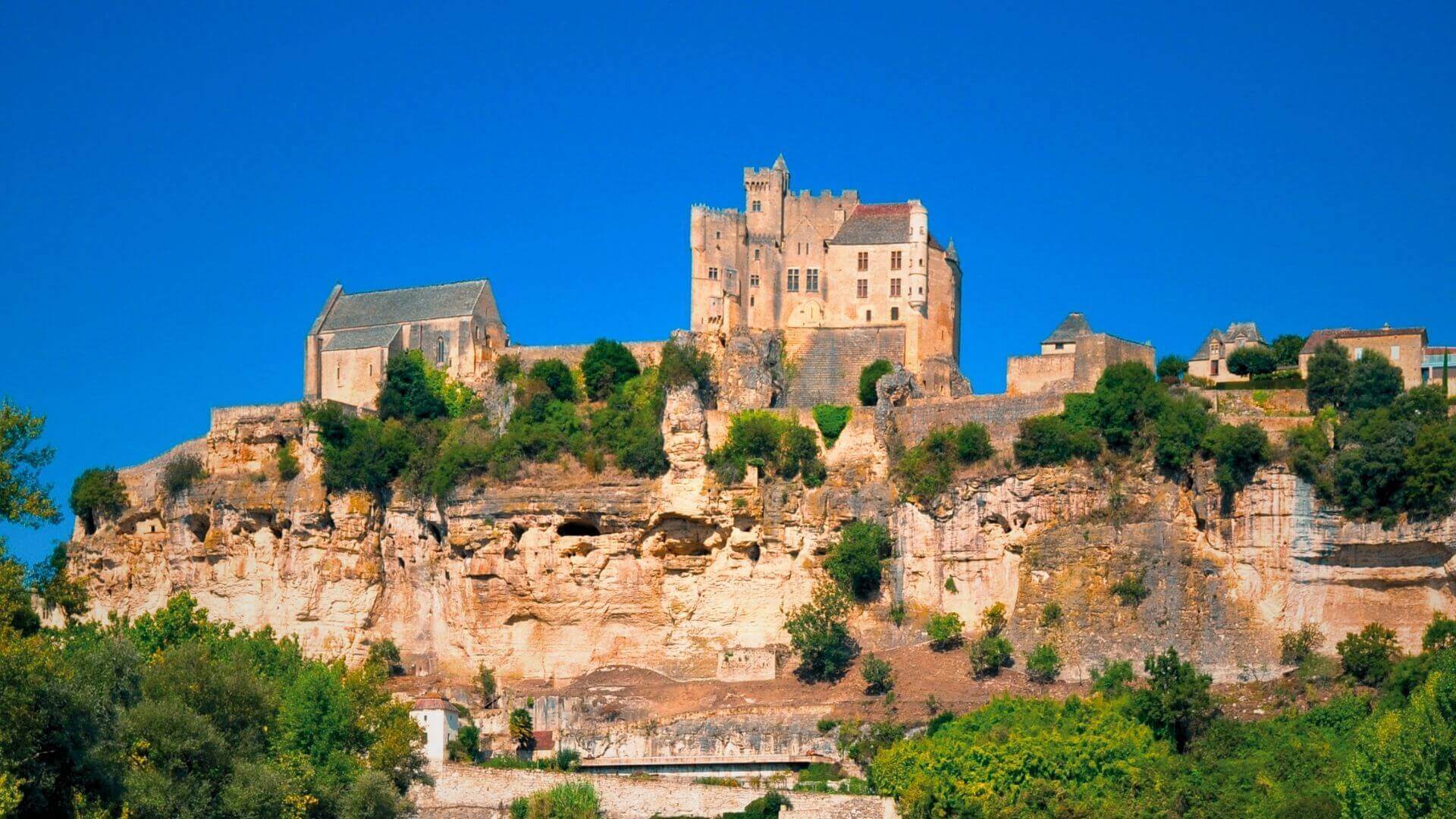
Why is Château de Beynac one of France’s most impressive fortresses?
High above the Dordogne River, Château de Beynac has watched over the valley for more than nine centuries. Standing on its rocky cliff, it’s easy to understand why this fortress was considered almost impossible to conquer.
During the Middle Ages, Beynac occupied a strategic position on the frontier between French and English territories during the Hundred Years’ War. Today, its thick stone walls, defensive towers and spectacular views transport visitors back to a time of knights, sieges and medieval rivalries.
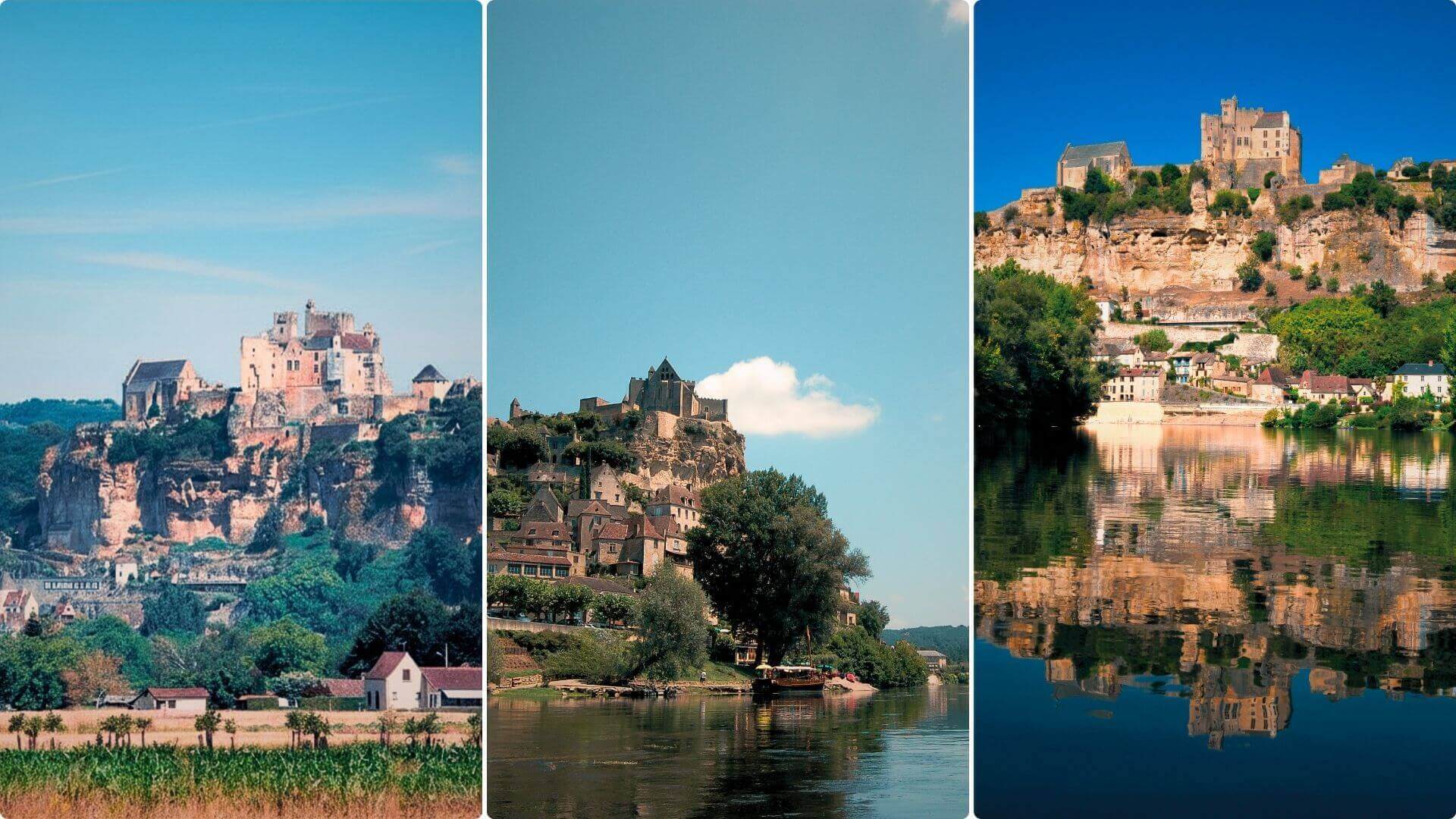
Unlike the refined elegance of the Loire Valley’s châteaux, Beynac feels rugged and authentic. Narrow staircases, fortified rooms and panoramic terraces make it one of the most atmospheric castles in France.
Allow around two hours for your visit, then take time to explore the beautiful villages and riverside scenery that make the Dordogne one of France’s favourite destinations.
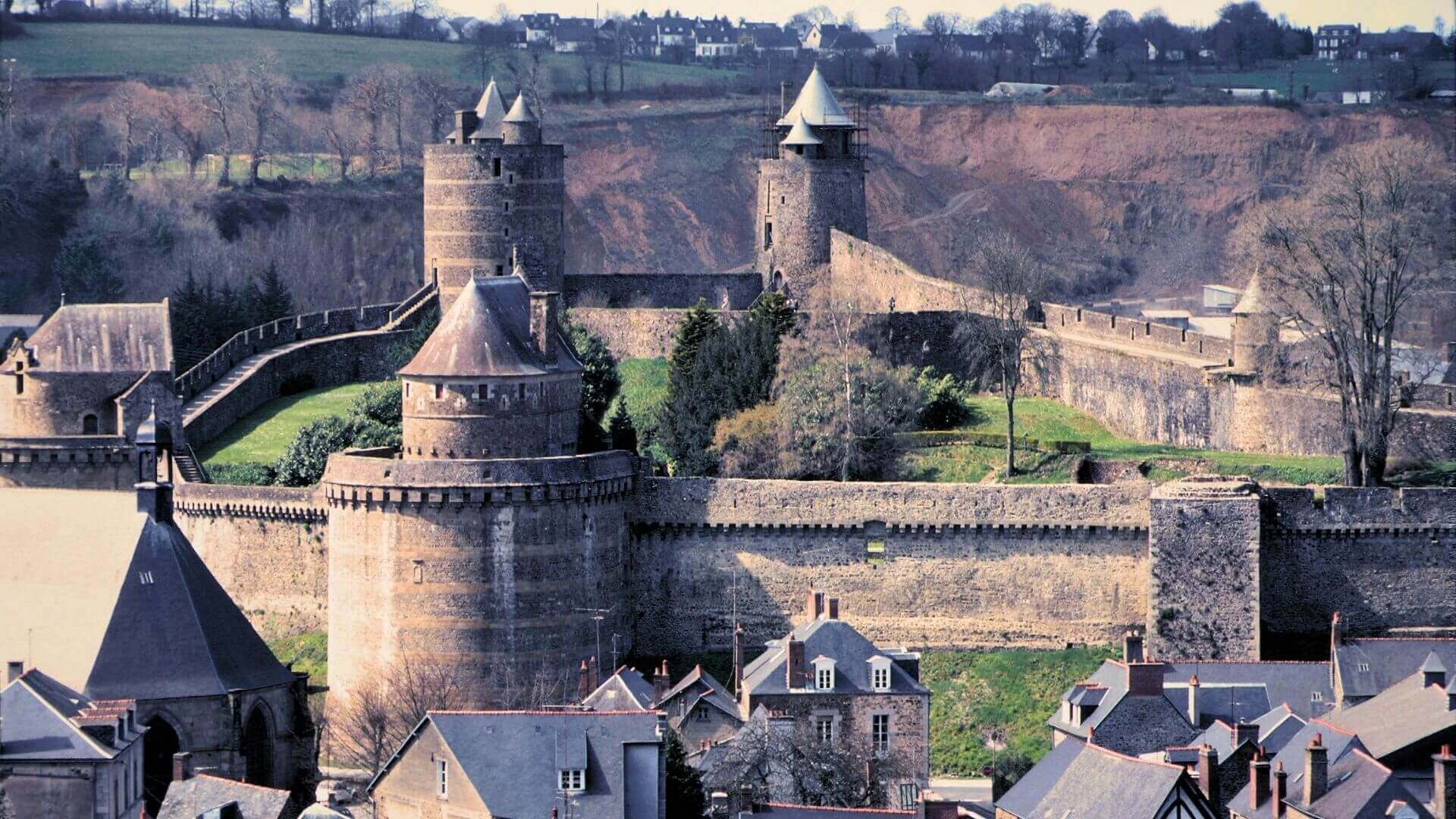
Why is Fougères one of Europe’s largest medieval castles?
Long before Brittany became known for its dramatic coastline, Fougères Castle stood as one of the kingdom’s strongest defensive fortresses.
With thirteen towers, massive stone walls and an impressive moat, it remains one of the largest surviving medieval castles in Europe. Rather than lavish royal apartments, you’ll find battlements, drawbridges and defensive passages that reveal what life was like inside a fortress built for protection.
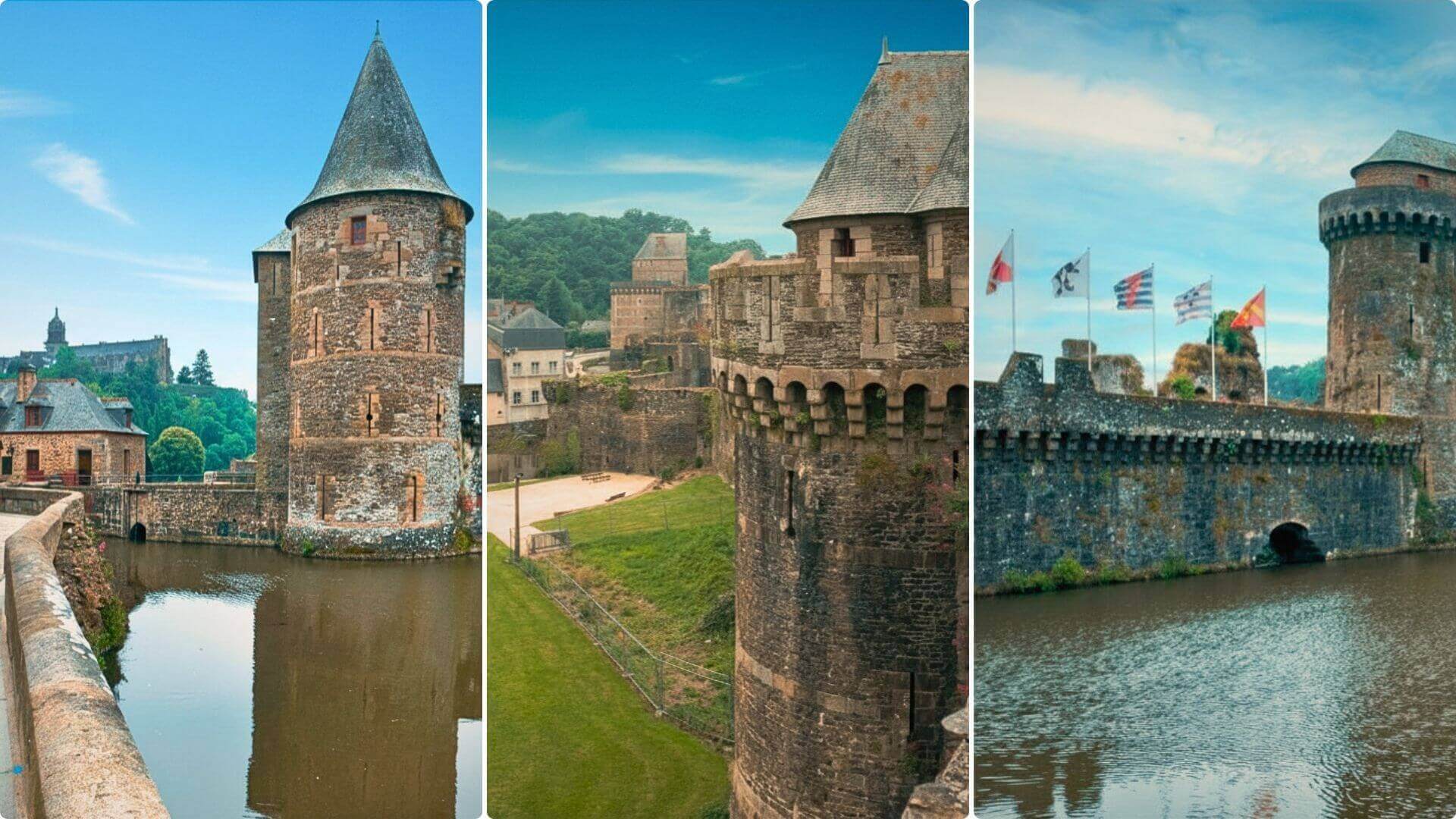
From the ramparts, the view stretches across the picturesque town of Fougères, where half-timbered houses and winding streets add to the medieval atmosphere.
A visit usually takes around two hours and pairs perfectly with a wider journey through Brittany, a region famous for its Celtic heritage, rugged coastline and welcoming villages.
From Brittany, our journey heads south, where medieval legends meet the warm colours and sunshine of Provence.
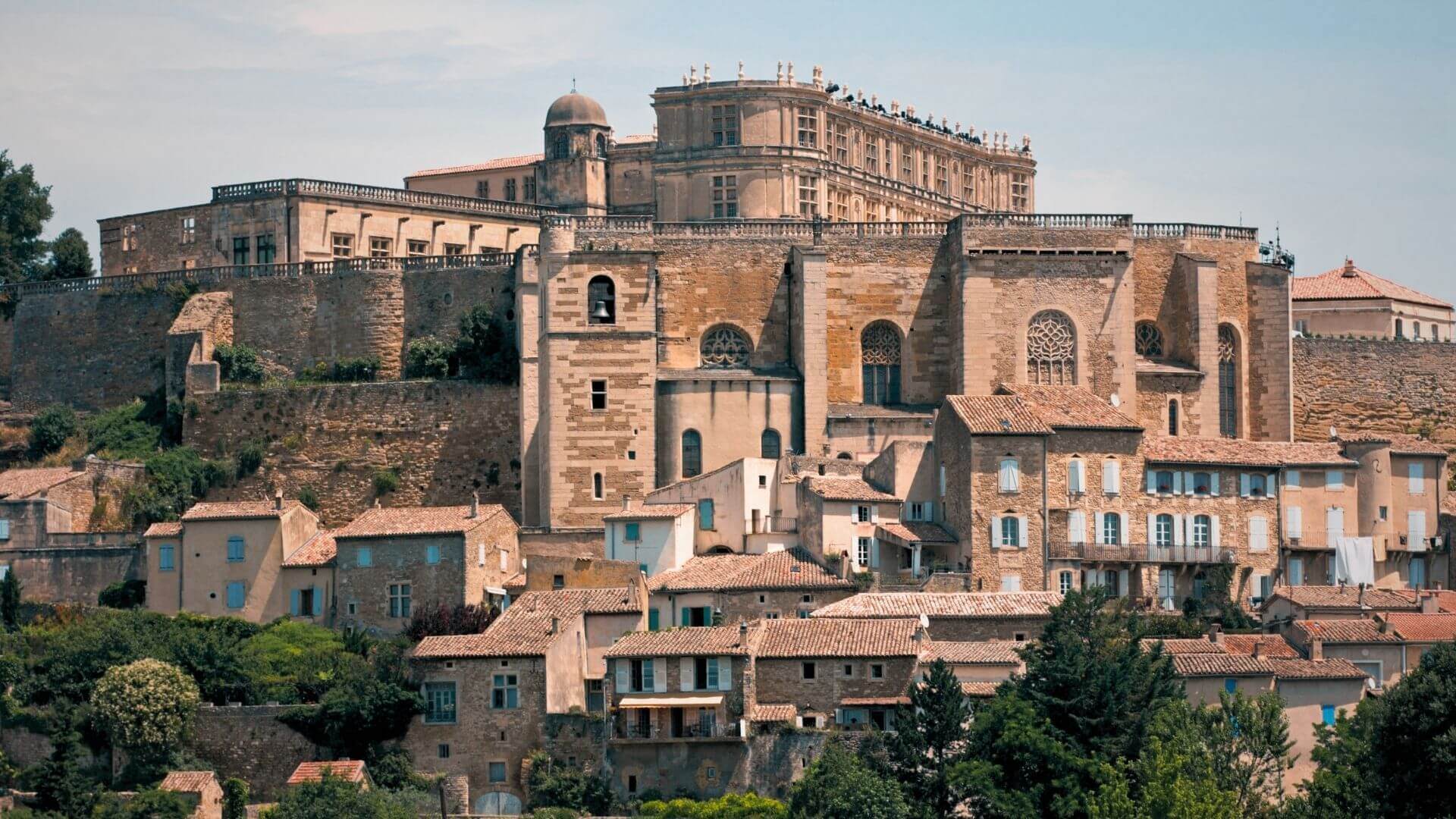
Why should Château de Grignan be on your Provence itinerary?
Perched above fields of lavender, vineyards and rolling hills, Château de Grignan feels like the kind of place you stumble upon and immediately wonder why more people don’t know about it.
Unlike the imposing fortresses of medieval France, Grignan is a château of elegance. Rebuilt during the Renaissance, it became famous as the home of Madame de Sévigné’s daughter. The celebrated French writer visited so often that she spent the final months of her life here, and many of her most famous letters describe the beauty and atmosphere of the château.
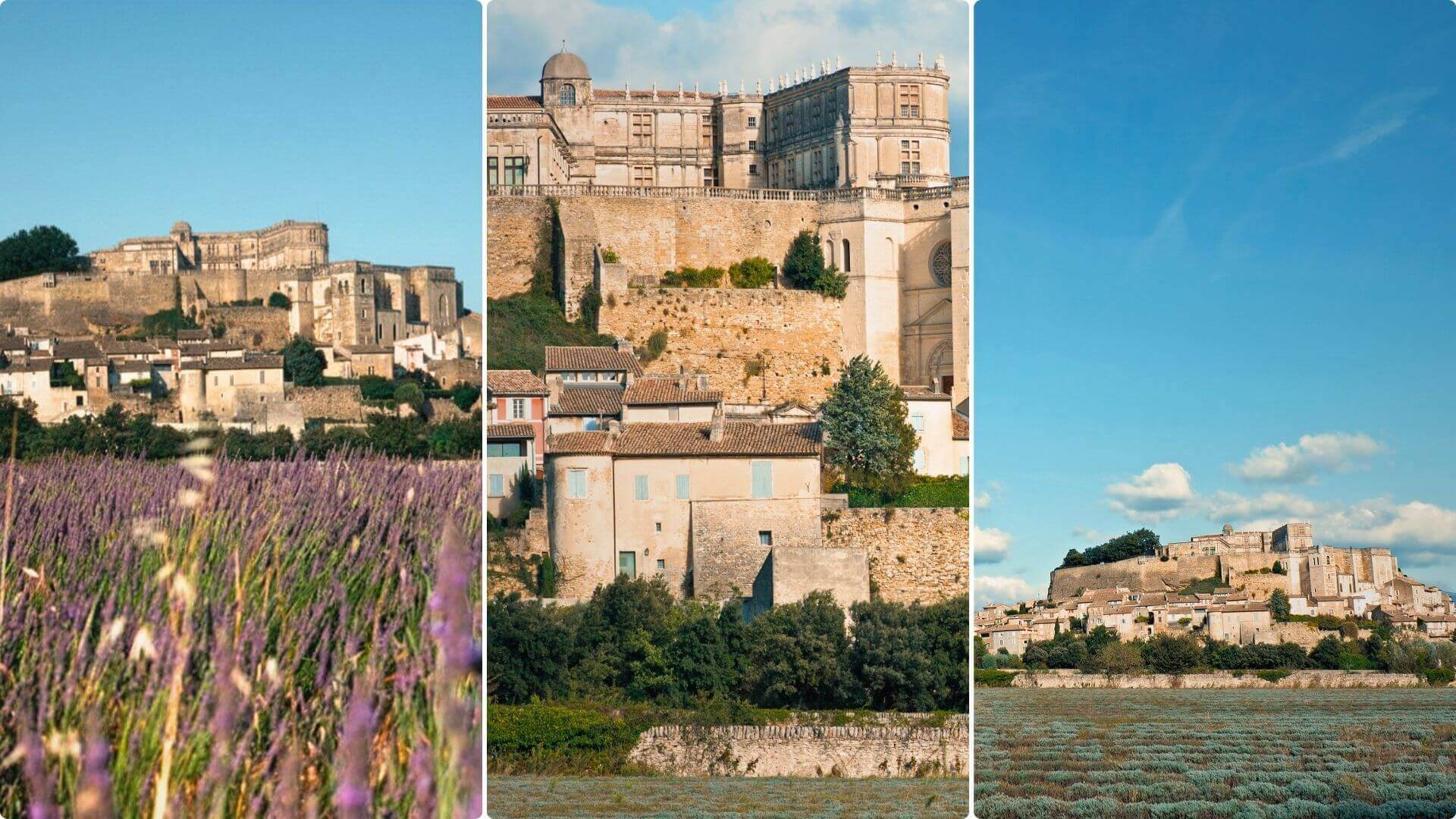
From its terraces, the view stretches across the Drôme Provençale, where vineyards, olive groves and lavender fields create the landscapes many travellers dream of when they imagine southern France. After your visit, take time to wander through the charming hilltop village before exploring nearby gems such as Vaison-la-Romaine, Nyons or Mont Ventoux.
Leaving Provence behind, our journey continues west into Occitanie, where one of Europe’s most spectacular fortified cities rises above the surrounding countryside. With its imposing walls and fairy-tale silhouette, Carcassonne offers a completely different vision of medieval France.
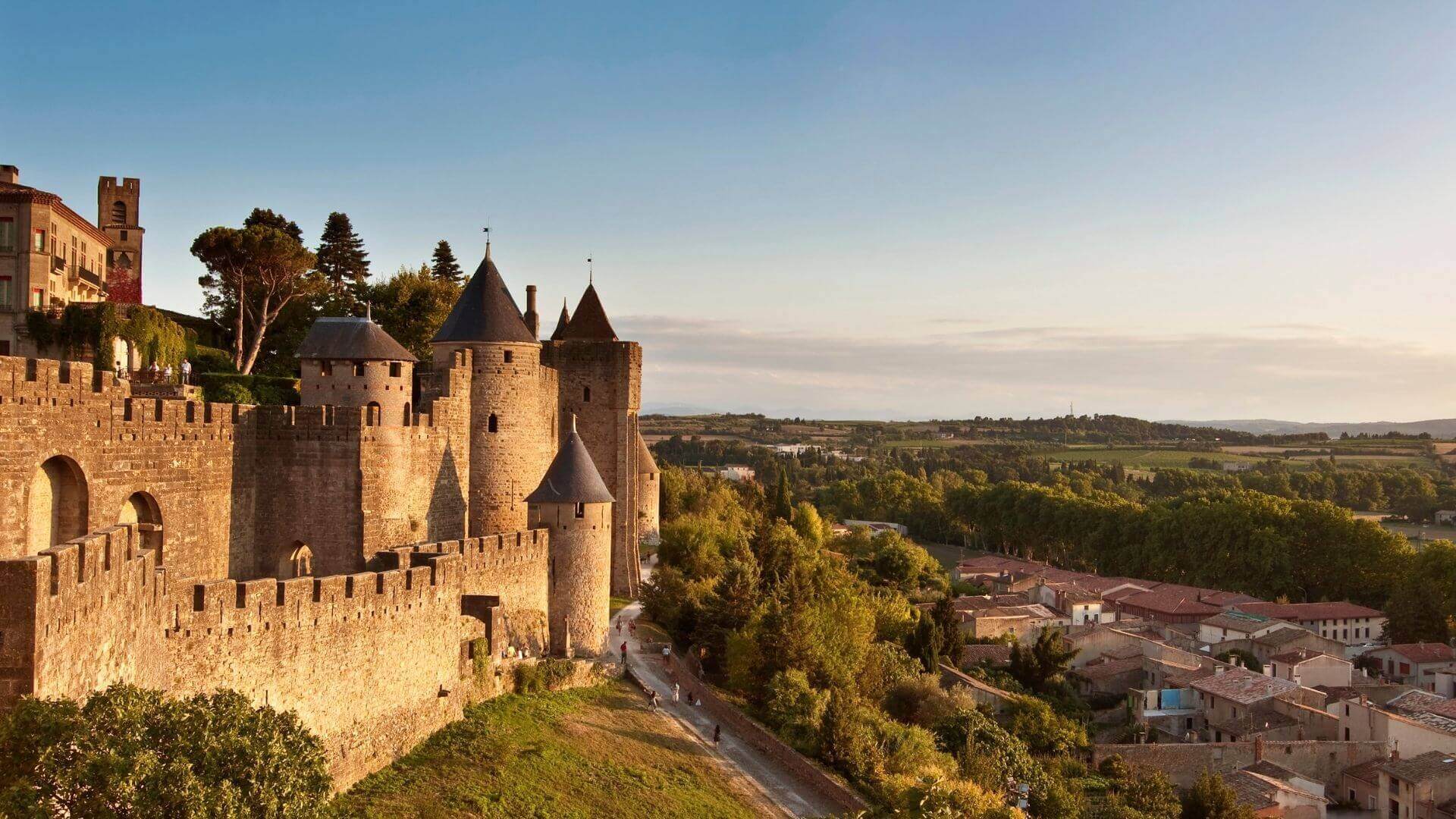
Why should you visit the medieval city of Carcassonne?
With its double line of ramparts, 52 towers and narrow cobbled streets, the medieval city of Carcassonne looks as though it has stepped straight out of a historical novel.
Perched above the Aude River, this remarkably preserved fortified city offers one of the most immersive medieval experiences in France.
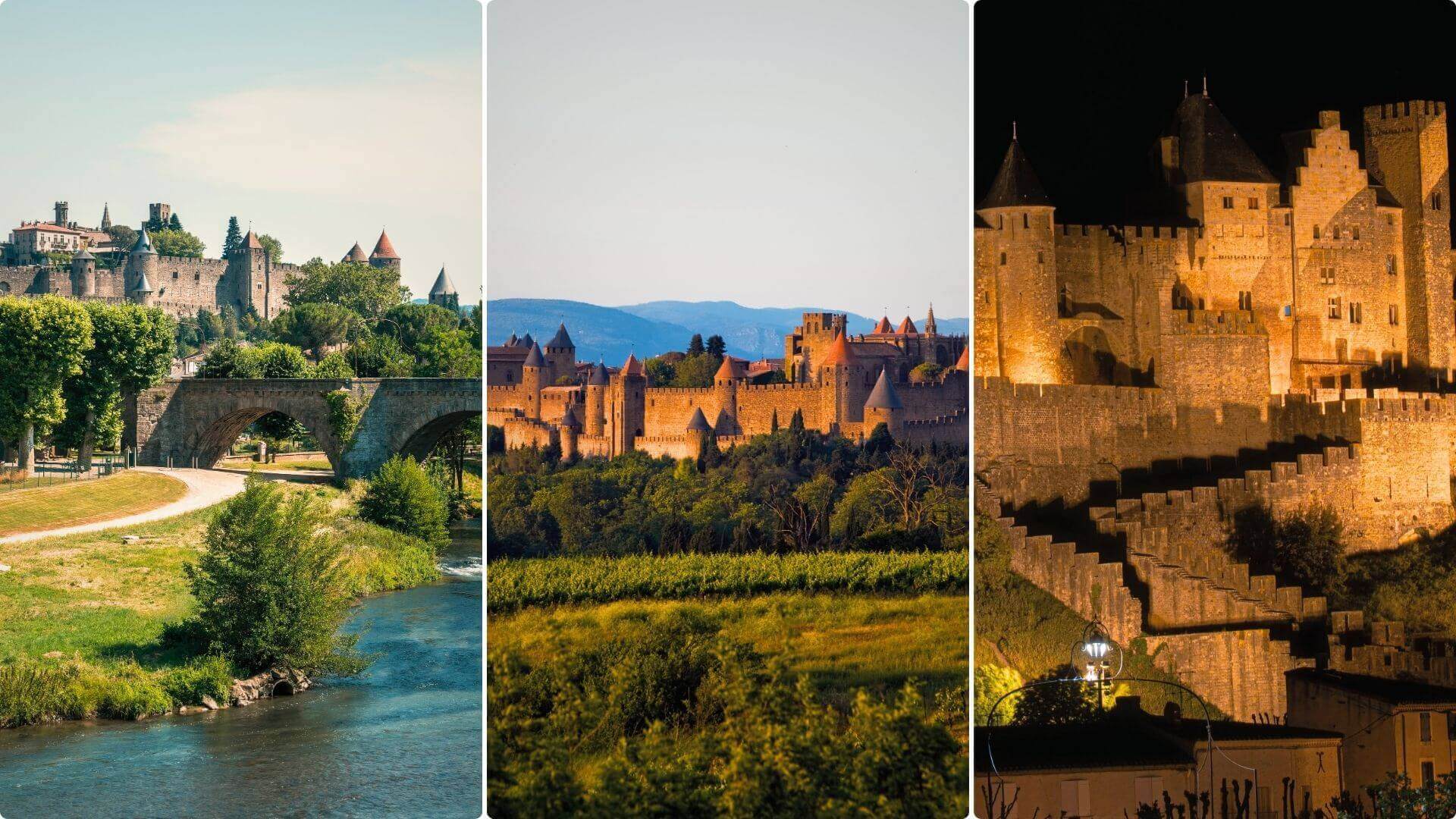
As you walk through its gates, explore the Château Comtal and admire the views from the walls, it becomes easy to imagine the merchants, soldiers and travellers who once passed through this strategic stronghold.
Allow at least a day to explore the citadel, and stay until evening if possible, when the illuminated ramparts create an unforgettable atmosphere.
Our final stop takes us to the foothills of the Pyrenees, where one château witnessed the birth of a king who would forever change the history of France.
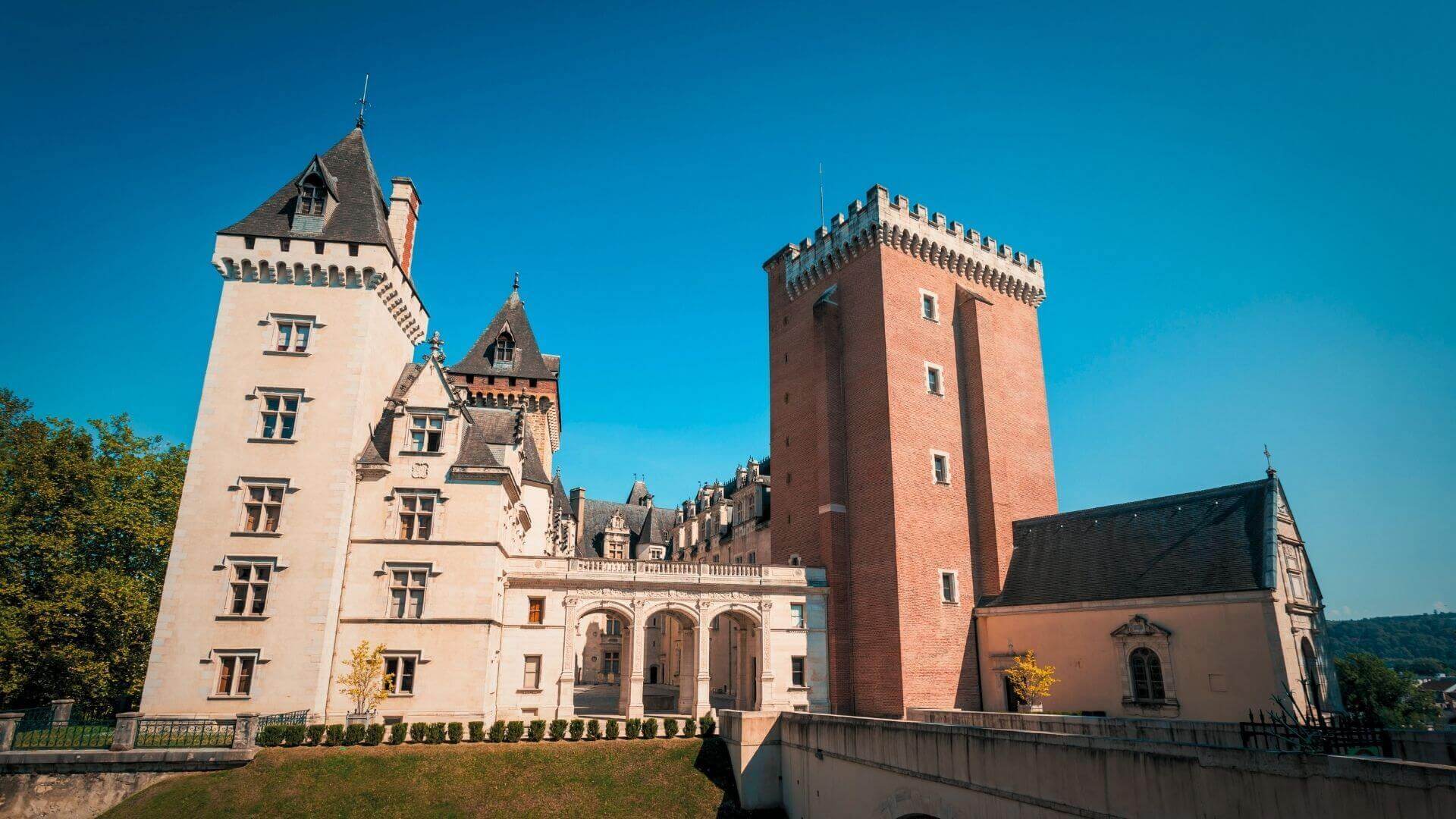
Why is Château de Pau an important part of French history?
Overlooking the city of Pau, this elegant château is best known as the birthplace of King Henry IV, one of France’s most beloved monarchs.
Blending medieval origins with Renaissance elegance, Château de Pau tells the story of a kingdom in transition. Its richly decorated rooms, impressive tapestries and beautiful gardens reflect centuries of royal life, while its hilltop location offers sweeping views towards the Pyrenees on a clear day.
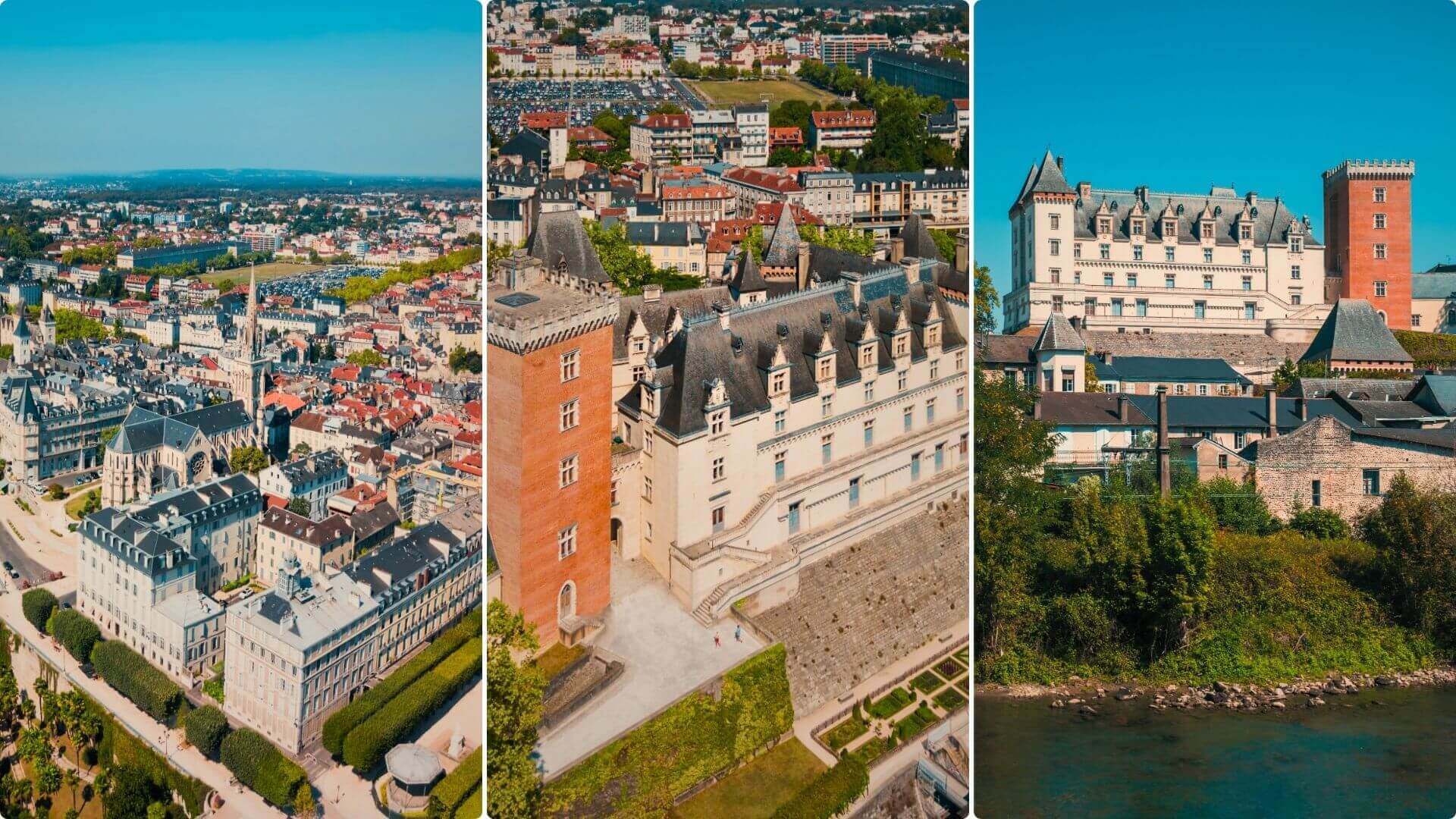
Legend has it that the future king’s grandfather celebrated his birth by rubbing garlic on the baby’s lips and giving him a taste of local wine, a tradition that has become part of French folklore.
A visit typically lasts around two hours and can easily be combined with exploring Béarn, the nearby mountains or the vineyards of southwestern France.
Which French castle should you visit first?
The answer depends on the kind of journey you’re dreaming of.
If it’s your first trip to France, Versailles is an unforgettable introduction to the country’s royal history. If you’re fascinated by the Renaissance, the Loire Valley offers an extraordinary concentration of châteaux, each with its own personality. Travellers who enjoy medieval history will feel at home exploring the mighty fortresses of Beynac or Fougères, while those looking for a quieter experience may prefer Grignan or Pau, where history unfolds away from the largest tourist crowds.
The good news is that there isn’t a wrong choice.
Every château tells a different chapter of France’s story, and each region offers its own landscapes, traditions and way of life. Rather than trying to see everything in one trip, choose a few places that genuinely interest you and take the time to enjoy them.
After all, the best memories rarely come from rushing between landmarks. They come from lingering in a château garden, sharing lunch in a village square or chatting with locals about the history of the place you’ve just visited.
If you’d like to go beyond sightseeing, S.L.Immersion’s French immersion stays offer the opportunity to discover these regions through everyday life with a local teacher. It’s a unique way to improve your French while experiencing the culture, traditions and hospitality that make every corner of France so different.
Subscribe to our newsletter for travel inspiration, learning resources and French culture delivered to your inbox.
Frequently Asked Questions about French Castles
France is estimated to have around 45,000 castles and châteaux, ranging from medieval fortresses and Renaissance residences to grand royal palaces. Many are open to visitors, while others remain private homes or historic landmarks.
The Palace of Versailles is undoubtedly France’s most famous château. Known for its Hall of Mirrors, magnificent gardens and connection with Louis XIV, it welcomes millions of visitors every year.
Several of France’s most famous châteaux are recognised as UNESCO World Heritage Sites, including Versailles and many castles within the Loire Valley, such as Chambord, Chenonceau and Amboise, thanks to their exceptional historical and architectural significance.
The Loire Valley is often called the “Valley of the Kings” and is famous for its concentration of Renaissance châteaux. However, regions such as Dordogne, Brittany, Provence and Occitanie also offer remarkable castles with very different histories and landscapes.
Spring (April to June) and early autumn (September and October) are generally the best times to visit. The weather is pleasant, gardens are at their most beautiful, and popular sites are usually less crowded than during the peak summer season.
Absolutely. Many of the castles featured in this guide are located in regions where S.L.Immersion offers French immersion stays with local teachers. Visiting nearby châteaux before or after your immersion is a wonderful way to enrich your cultural experience while practising French.
The castles featured in this guide are located in regions where S.L.Immersion offers French immersion stays with local teachers. Castle visits are independent suggestions and they can easily become part of your travel itinerary before or after your immersion.