


How Can You Experience Slow Tourism in France?
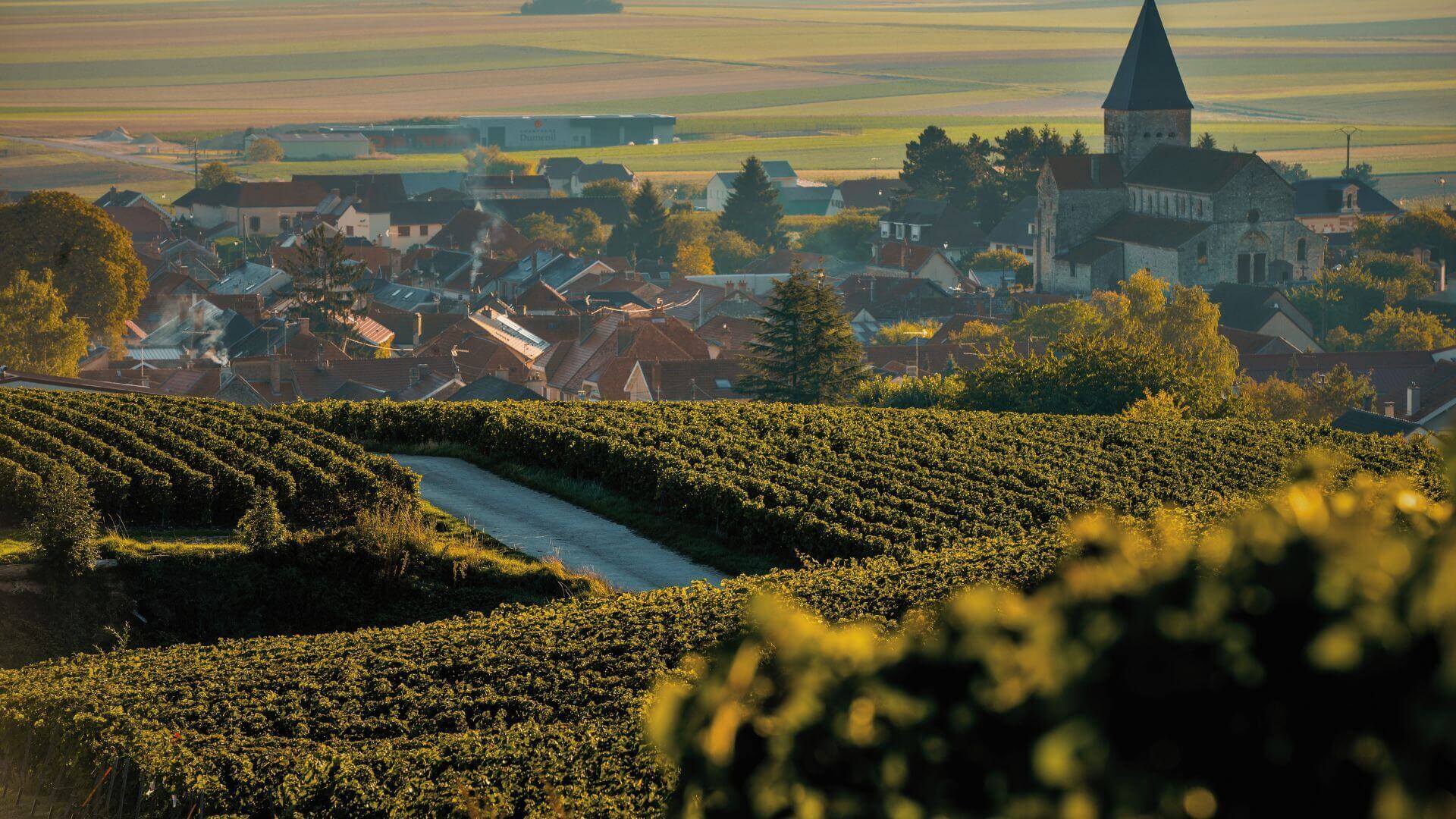
What if your next trip to France was less about how many places you could visit and more about how deeply you could experience one of them?
Instead of rushing from Paris to Provence, then from Provence to the Côte d’Azur, slow tourism invites you to stay a little longer. To walk rather than rush. To return to the same bakery. To recognise a face at the local market. And, perhaps most importantly, to talk to the people who actually live there.
At S.L.Immersion, this approach feels very close to the way we think language travel should be: learning French while experiencing everyday life in France, beyond the traditional tourist trail.
If this sounds like your way of travelling, discover our French immersion experiences in France.
What Does Slow Tourism in France Really Mean?
Slow tourism is not simply about spending more time on holiday.
It is about changing your relationship with a destination.
Rather than trying to see every famous monument in a few days, you choose fewer places and give yourself time to understand them. You pay attention to local life, food, landscapes and traditions. Whenever possible, you also choose local businesses and experiences.
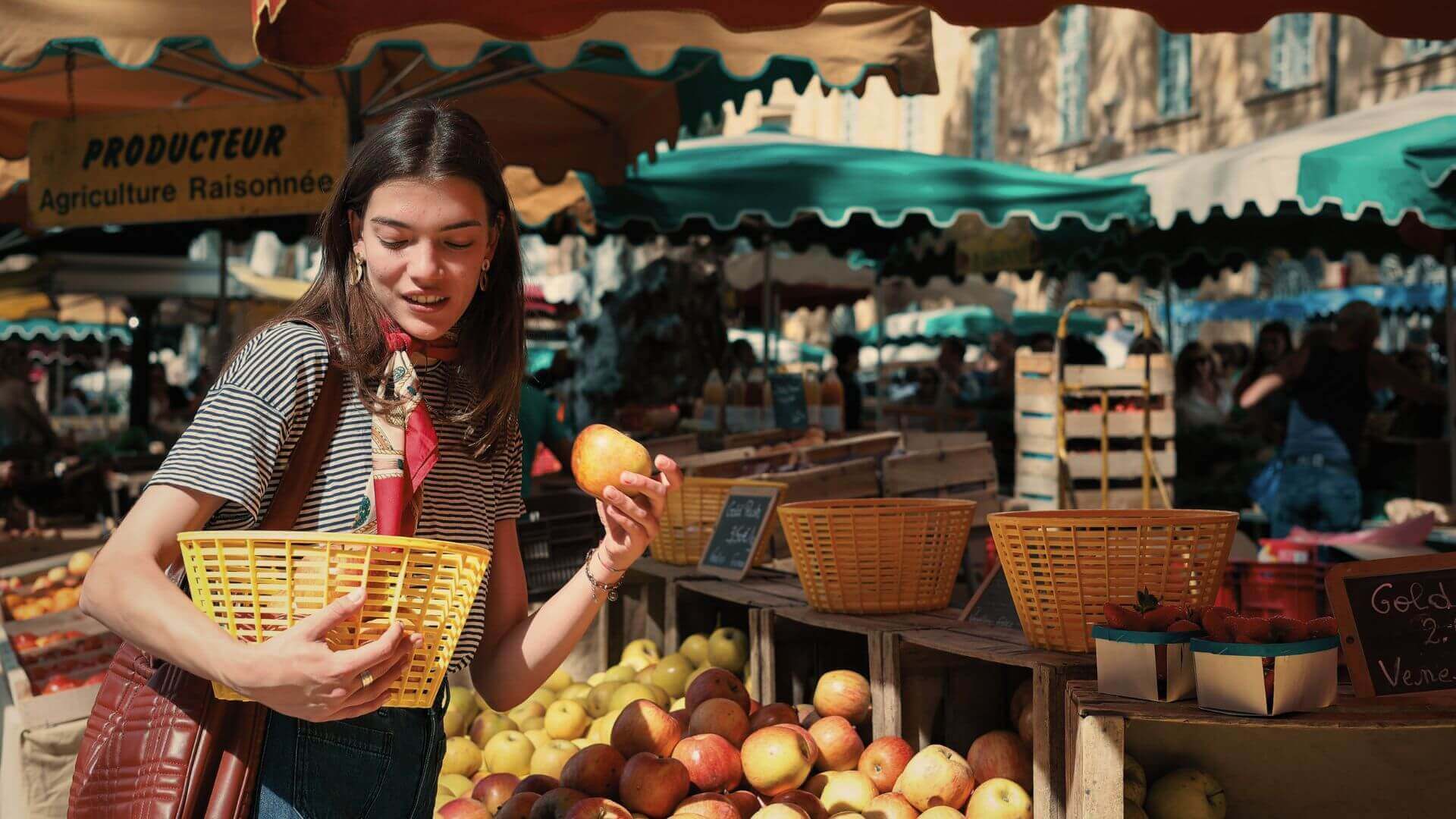
That might mean buying cheese from a producer at the village market rather than grabbing lunch from an international chain. Or spending an afternoon discovering a small town that never appeared on your original list.
And there is another important element: meeting people.
This is where language learning can completely change the experience.
How Does Language Immersion Take You Beyond the Tourist Trail?
Speaking French gives you access to a side of France that is difficult to discover from a guidebook.
Even simple conversations can change your day.
You can ask a baker about a regional speciality. Chat with someone at a market. Understand why your teacher loves a particular village. Ask for recommendations without automatically being directed towards the places every visitor already knows.
During an S.L.Immersion stay, you live with your French teacher and learn in a real French-speaking environment. Lessons are part of the experience, but learning also happens around them.
A conversation over breakfast, a visit to a market or an afternoon discovering the surrounding area can all become opportunities to use your French.
For an A2 or B1 learner, these small interactions matter enormously. Suddenly, French is no longer something that exists only in an exercise book. It becomes the language you use to experience the place around you.
How Does S.L.Immersion Help Support Local Communities?
For us, slow tourism also means thinking about where the benefits of travel go.
Our immersion experiences are built around local French teachers. Instead of staying inside a large, standardised tourist environment, learners become part of their teacher’s everyday surroundings for a few days or longer.
This naturally creates opportunities to discover independent businesses, local markets, restaurants, artisans and regional activities.
The experience will be different depending on where you stay.
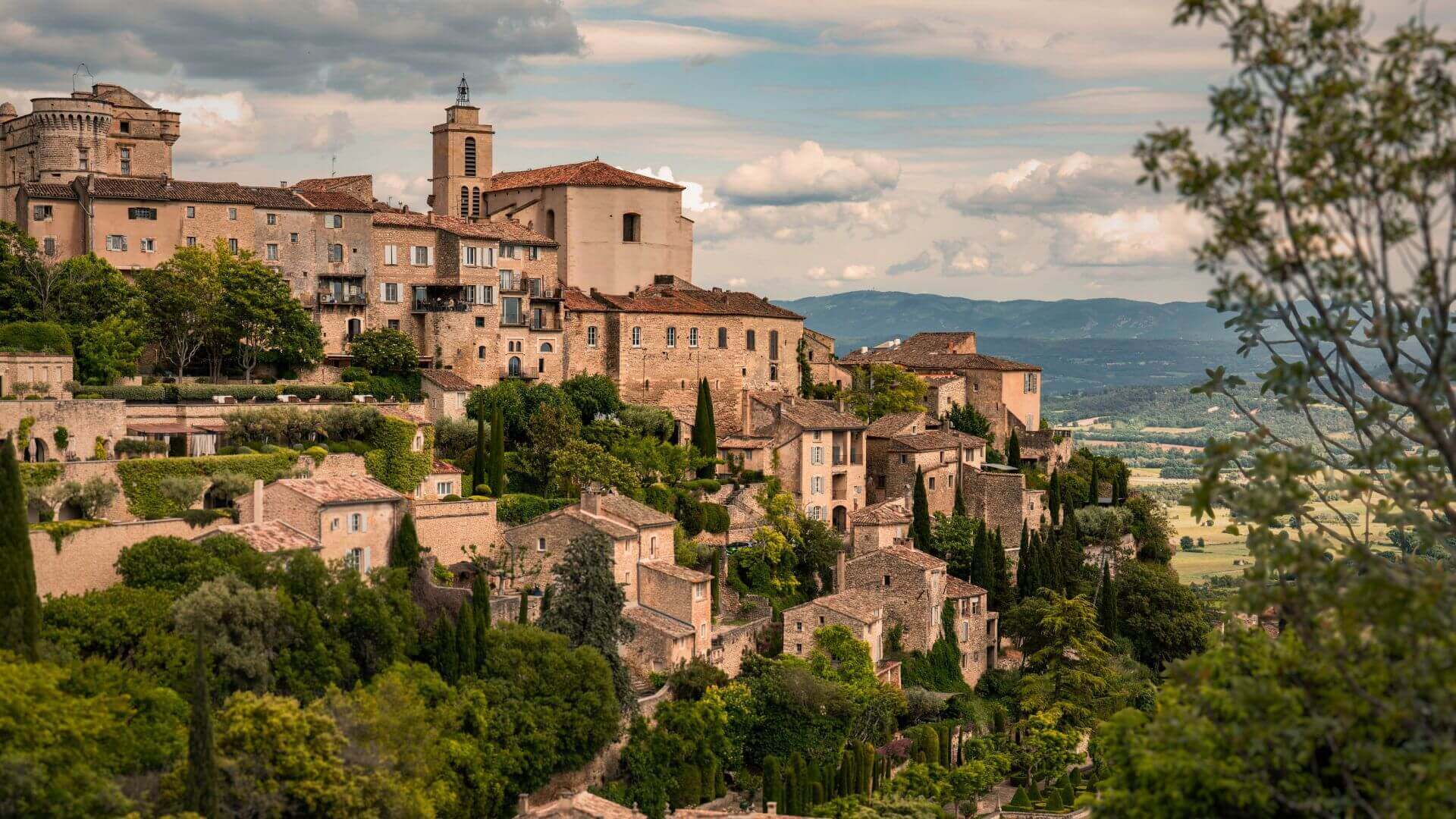
In Provence, it might mean visiting a morning market, discovering a small hilltop village or talking about local produce with your teacher. In Brittany, it could mean exploring a coastal community, tasting regional food or learning about traditions that are strongly connected to local identity.
You can explore our resources about Provence and Brittany to see how different one French region can feel from another.
Supporting local communities does not require turning every holiday decision into a complicated calculation. Sometimes, it starts with something much simpler: staying locally, buying locally and being curious about the people who live there.
Why Can Travelling Less Help You Experience More?
France has the Eiffel Tower, the Louvre, Versailles and countless other places that deserve their international reputation.
But France is not only its famous sights.
It is also the boulangerie where someone begins to remember your order. The weekly market. A conversation that takes twice as long because you are searching for the right French word. A village you would never have thought of visiting. A regional dish your teacher insists you have to try.
These moments rarely appear on a checklist of things to see.
Yet they are often the moments that make a trip feel personal.
Language immersion encourages you to stop being only an observer. You begin to participate, even if your French is imperfect.
And when you stay in one place, get to know the people around you and spend more of your time within the local community, travel can become less about consuming destinations and more about connecting with them.
Could Your Next Trip to France Be a Slower One?
You do not have to stop visiting famous places to embrace slow tourism in France.
The idea is simply to leave enough space for everything that happens between them.
Stay longer. Learn a few more words. Visit the market. Ask your teacher where they actually go at the weekend. Choose the small restaurant around the corner. Have the conversation, even if you make mistakes.
Because sometimes the best way to discover France is not to see more of it.
It is to become, for a little while, part of it.